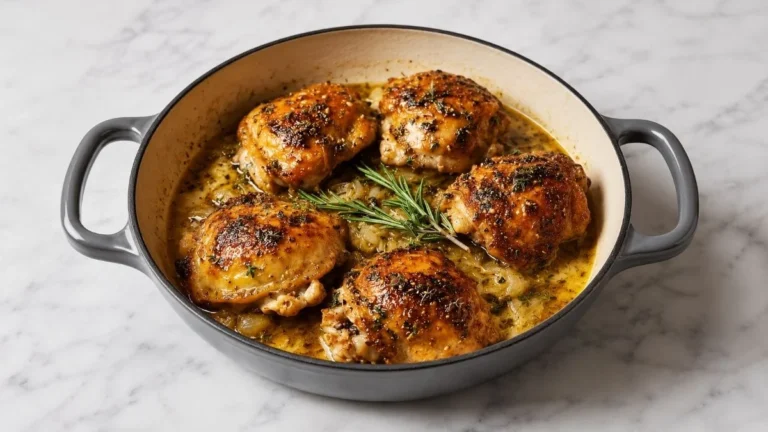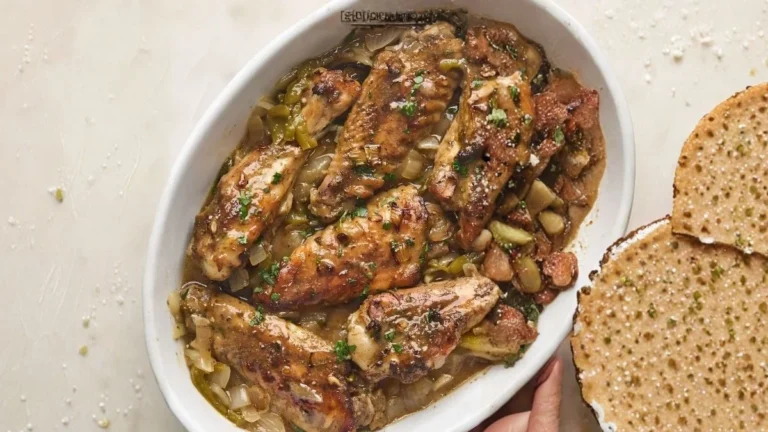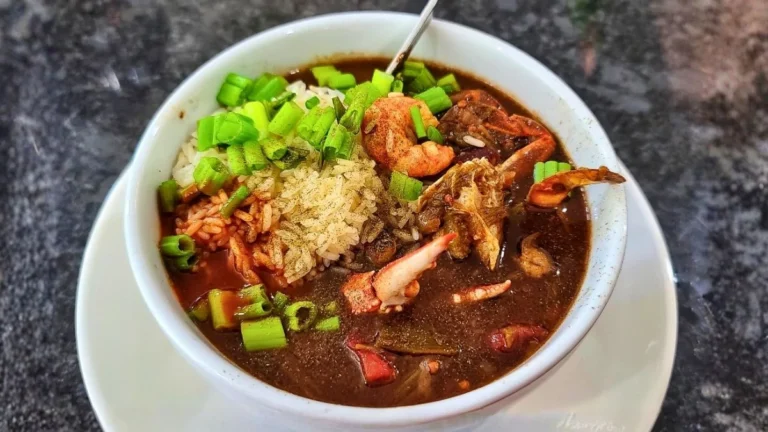
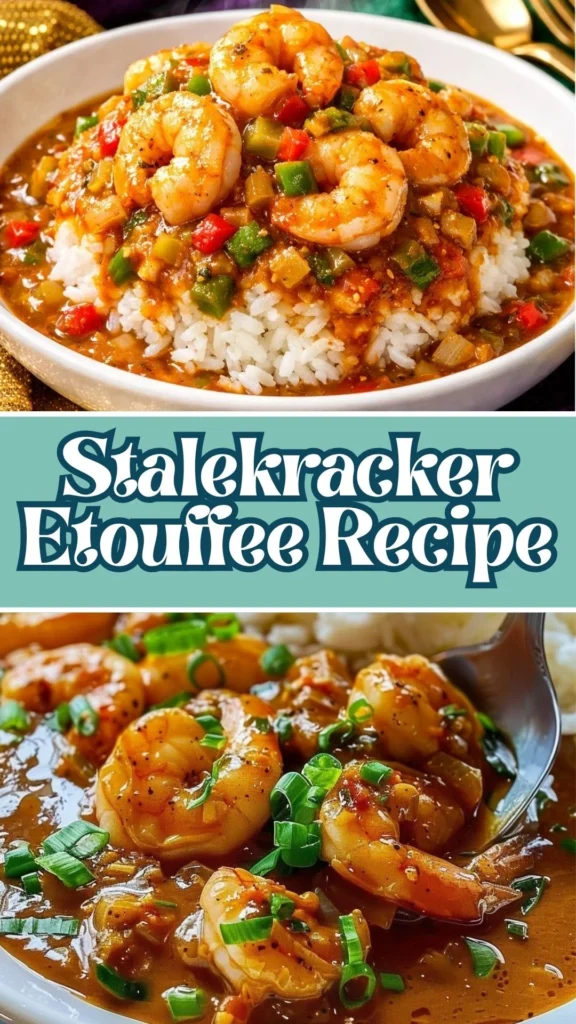
Stalekracker Etouffee Recipe
Craving that authentic Louisiana flavor that makes your taste buds dance, this Stalekracker crawfish etouffee recipe easy version is about to become your new kitchen obsession!
Inspired by the viral sensation Stalekracker himself, this copycat Stalekracker etouffee recipe captures all that buttery, soul-satisfying goodness found in a classic stalekracker crawfish etouffee.
Whether you’re a Cajun cooking newbie or a seasoned pro, this best Stalekracker etouffee recipe delivers restaurant-quality results right in your home kitchen.
Get ready to serve up a plate of pure Louisiana magic that’ll have everyone asking for seconds!
What Does Stalekracker Etouffee Taste Like?
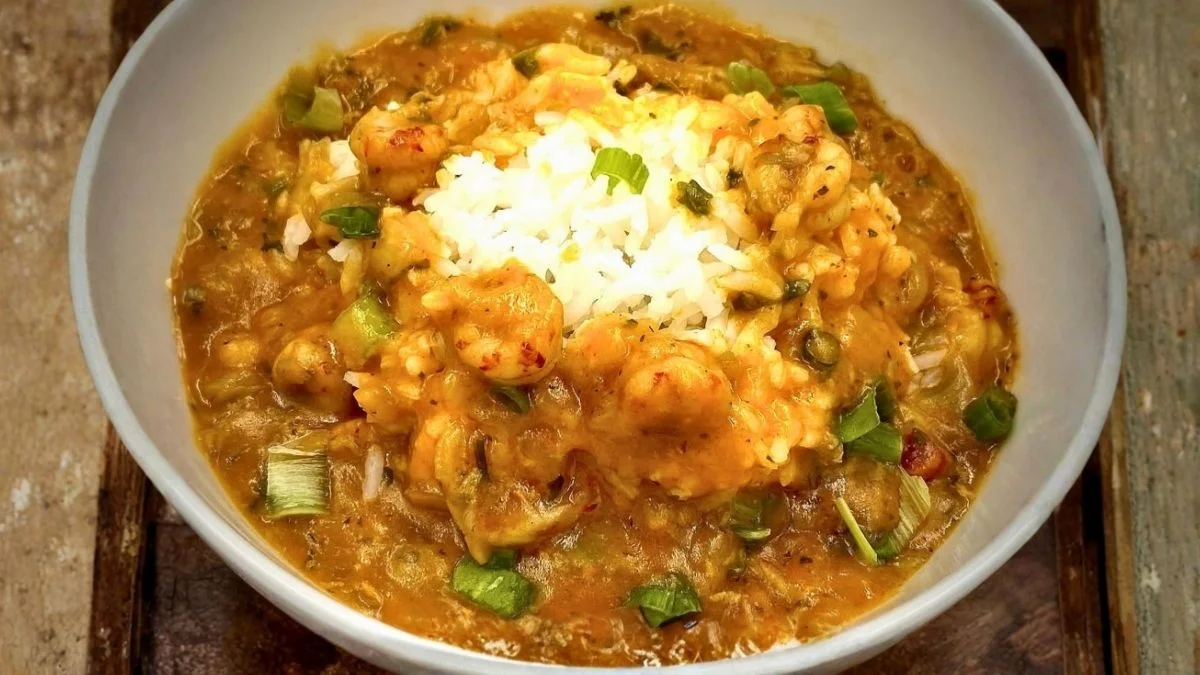
This authentic crawfish étouffée recipe is a symphony of bold, comforting flavors that embody the heart of Cajun cuisine. The rich, buttery sauce coats tender crawfish tails in a velvety embrace, while the aromatic trinity of onions and bell peppers creates a sweet, savory foundation.
Every spoonful delivers that distinctive Cajun seasoning kick-earthy, slightly spicy, and incredibly complex-balanced perfectly with the natural sweetness of the crawfish. The gravy is luxuriously thick and silky, clinging to fluffy white rice in the most satisfying way.
It’s comfort food at its finest: indulgent yet balanced, with layers of flavor that keep you coming back for more.
Stalekracker Etouffee Ingredients You’ll Need
For the Étouffée:
- 2 sticks (1 cup / 226g) unsalted butter
- 1 pound (450g) crawfish tails, fresh or frozen (thawed)
- 1 large yellow onion, finely diced
- 2-3 bell peppers (mixed colors: red, yellow, green), diced
- 4-6 tablespoons all-purpose flour
- 2-3 cups chicken stock (or seafood stock), warmed
- 2-3 tablespoons Cajun seasoning (Bruce Mitchell or your favorite blend)
- Salt and black pepper, to taste
- 2 tablespoons fresh parsley, chopped (for garnish)
Serving:
- 4-6 cups cooked white rice (long-grain or jasmine)
- Optional: Fried catfish fillets
- Optional: Green onions, sliced for garnish
Essential Kitchen Utensils
- Large heavy-bottomed skillet or cast-iron pan (12-inch recommended)
- Wooden spoon or heat-resistant spatula
- Sharp chef’s knife
- Cutting board
- Measuring cups and spoons
- Ladle
- Medium saucepan (for rice)
- Whisk (for smooth gravy)
Preparation and Cooking Time
- Prep Time: 15 minutes
- Cook Time: 25-30 minutes
- Total Time: 40-45 minutes
- Servings: 4-6 people
- Difficulty Level: Easy to Moderate
Step-by-Step Stalekracker Etouffee Recipe Instructions
Step 1: Prepare Your Ingredients
Dice your onion and bell peppers into uniform pieces (about ¼-inch). If using frozen crawfish tails, thaw them completely and drain excess liquid. Have your chicken stock warmed and ready to add gradually.
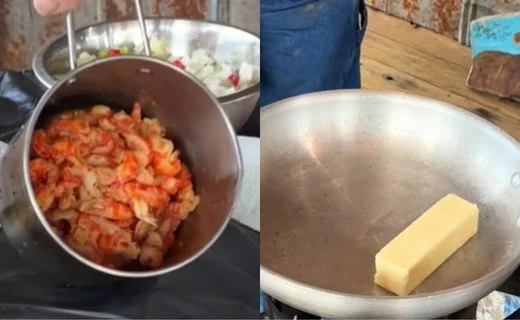
Step 2: Create the Butter Base
In a large, heavy-bottomed skillet, melt 2 sticks of butter over medium heat. Don’t rush this-let the butter melt completely and become fragrant without browning.
Step 3: Sauté the Holy Trinity
Add your diced onions and bell peppers to the melted butter.
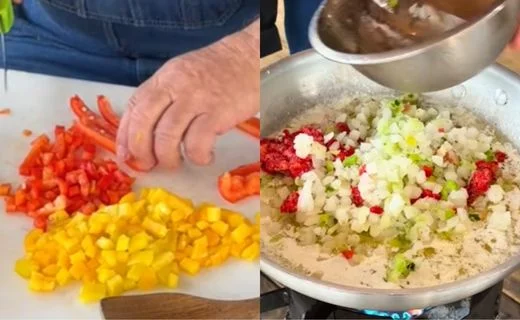
Stir frequently and cook for 6-8 minutes until the vegetables soften and the onions turn translucent. This aromatic base is the soul of your étouffée.
Step 4: Season Generously
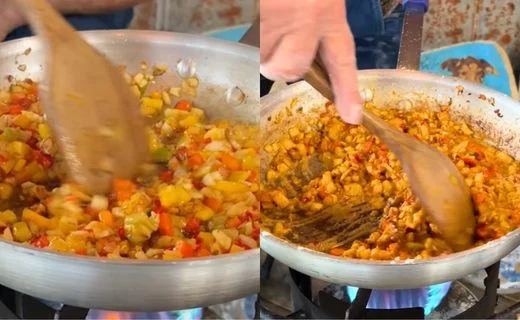
Sprinkle in your Cajun seasoning (start with 2 tablespoons and adjust to taste). Stir well, coating all the vegetables and letting those spices bloom in the butter for about 1 minute.
Step 5: Build Your Roux
Gradually sprinkle 4 tablespoons of flour over the vegetable mixture while stirring constantly. Cook this flour-butter mixture for 3-4 minutes, stirring continuously, until it develops a light blonde color and loses its raw flour taste. Add more flour if you want a thicker gravy.
Step 6: Add Stock and Create the Gravy
Slowly pour in 2 cups of warm chicken stock while whisking or stirring vigorously to prevent lumps. Continue stirring as the mixture thickens into a smooth, rich gravy.
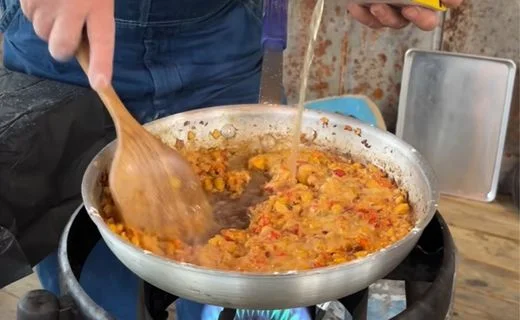
Add more stock gradually until you reach your desired consistency-it should coat the back of a spoon but still flow easily.
Step 7: Simmer and Perfect
Reduce heat to medium-low and let the gravy simmer for 5-7 minutes, stirring occasionally. This allows the flavors to meld and the gravy to develop that signature velvety texture. Taste and adjust seasoning as needed.
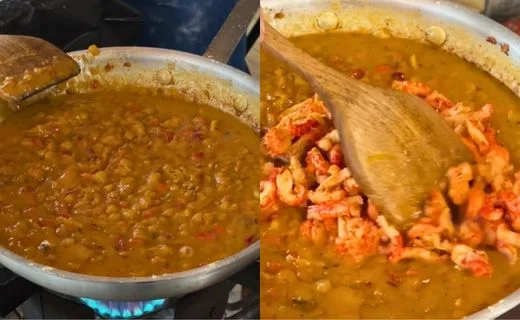
Step 8: Add the Crawfish
Gently fold in your pound of crawfish tails. Stir carefully to coat them in the sauce without breaking them apart. Cook for just 3-5 minutes until the crawfish are heated through-overcooking makes them rubbery!
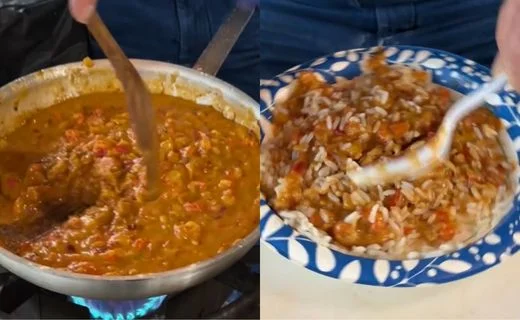
Step 9: Final Touch and Serve
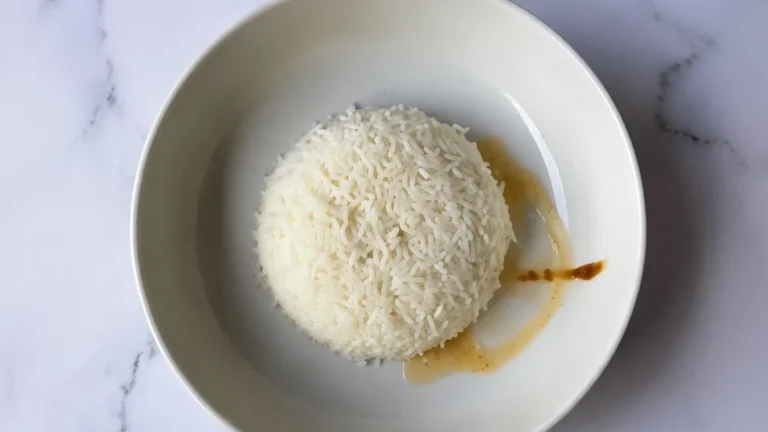
Remove from heat, stir in fresh chopped parsley, and taste one last time for seasoning. Serve immediately over a generous bed of fluffy white rice. Top with fried catfish if desired and garnish with sliced green onions.
Customization and Pairing Ideas for Serving
1. Seafood Medley Étouffée
Transform this dish into a Louisiana seafood feast by adding shrimp, crab meat, or diced fish along with the crawfish. Use equal parts crawfish and shrimp for the best texture combination, or go luxurious with lump crab meat stirred in at the end.
2. Spicy Heat Lover’s Version
Kick up the Cajun heat by adding diced jalapeños with the bell peppers, a splash of hot sauce (Crystal or Louisiana brands work beautifully), or cayenne pepper to taste. Some folks love adding a teaspoon of Creole mustard for extra tang and heat.
3. Protein-Packed Topping Options
Beyond the classic fried catfish, try topping your étouffée with blackened shrimp, grilled andouille sausage slices, or crispy fried oysters. Each protein adds a unique textural contrast and flavor dimension.
4. Alternative Grain Bases
While white rice is traditional, serve your étouffée over creamy cheese grits for an ultra-indulgent experience, cauliflower rice for a low-carb option, or authentic dirty rice to double down on Cajun flavors.
5. Fresh Herb Variations
Experiment with fresh herbs beyond parsley-add chopped fresh thyme during cooking, finish with fresh basil for a slightly sweet note, or stir in cilantro if you enjoy that bright, citrusy flavor profile.
6. Flavor Boost Pairings
Elevate your Stalekracker Etouffee Recipe by serving with buttery cornbread, steamed rice, or fresh coleslaw, adding balance and texture while enhancing the rich, Cajun-inspired flavors for a complete meal experience.
7. Wine and Beverage Pairings
This rich dish pairs beautifully with crisp white wines like Sauvignon Blanc or unoaked Chardonnay, cold local beer (Abita is a Louisiana favorite), sweet tea, or a classic Southern lemonade to cut through the butter richness.
8. Complete Meal Combinations
Build a full Cajun feast by serving your étouffée alongside cornbread or garlic bread for sopping up that delicious gravy, a crisp coleslaw or cucumber salad for freshness, and finish with classic bread pudding or beignets for dessert.
Expert Tips for Perfect Stalekracker Etouffee
1. Don’t Rush the Vegetable Sauté
Taking time to properly soften your onions and peppers is crucial-this develops the sweet, caramelized base that gives étouffée its depth. Cook them low and slow until they’re completely tender and translucent, which typically takes 6-8 minutes. Rushing this step results in crunchy vegetables and underdeveloped flavor.
2. Master the Flour-to-Liquid Ratio
The key to perfect gravy consistency is adding flour and stock gradually. Start with 4 tablespoons of flour for a lighter sauce, or go up to 6 tablespoons for gravy thick enough to coat a spoon heavily. Add stock slowly, whisking constantly-you can always add more liquid, but you can’t easily remove it once it’s in.
3. Protect Your Crawfish from Overcooking
Crawfish tails cook incredibly fast and turn rubbery when overcooked. Add them only in the final 3-5 minutes, just long enough to heat through and absorb the sauce flavors. If you’re using pre-cooked crawfish (most packaged crawfish are), you’re really just warming them, not cooking them.
4. Quality Butter Makes a Difference
Since butter is the primary fat and flavor carrier in this dish, using high-quality, real butter (not margarine) dramatically improves the final result. European-style butter with higher fat content creates an even richer, more luxurious sauce that coats your palate beautifully.
5. Warm Your Stock Before Adding
Adding cold stock to your hot roux can cause it to seize up and create lumps. Keep your chicken or seafood stock warm on a back burner, then add it gradually while stirring constantly. This ensures a silky-smooth gravy every single time.
6. Layer Your Seasoning
Rather than adding all your Cajun seasoning at once, build flavor in layers. Season the vegetables while sautéing, add more when building the roux, and taste before adding the crawfish for final adjustments. This layered approach creates more complex, well-rounded flavor than dumping everything in at once.
7. Let It Rest Before Serving
After removing your étouffée from heat, let it rest for 2-3 minutes before serving. This allows the sauce to thicken slightly more and the flavors to settle together. The dish will also be at the perfect eating temperature rather than tongue-scorching hot, and your rice will absorb the gravy better.
Storage and Reheating Guidance
Store leftover étouffée in an airtight container in the refrigerator for up to 3 days. Reheat gently on the stovetop over low heat, adding a splash of chicken stock to restore the gravy’s consistency. You can also microwave in 30-second intervals, stirring between each. Avoid freezing as crawfish texture suffers when frozen in sauce.
Stalekracker Etouffee Recipe
Craving that authentic Louisiana flavor that makes your taste buds dance, this Stalekracker crawfish etouffee recipe easy version is about to become your new kitchen obsession! Inspired by the viral sensation Stalekracker himself, this copycat Stalekracker etouffee recipe captures all that buttery, soul-satisfying goodness found in a classic stalekracker crawfish etouffee. Whether you’re a Cajun cooking newbie or a seasoned pro, this best Stalekracker etouffee recipe delivers restaurant-quality results right in your home kitchen.
Ingredients
- 2 sticks unsalted butter
- 1 pound
- 1 large yellow onion, finely diced
- 2-3 bell peppers, diced
- 4-6 tablespoons all-purpose flour
- 2-3 cups chicken stock (or seafood stock), warmed
- 2-3 tablespoons Cajun seasoning
- Salt and black pepper, to taste
- 2 tablespoons fresh parsley, chopped
- 4-6 cups cooked white rice
- Optional: Fried catfish fillets
- Optional: Green onions, sliced for garnish
Instructions
Step 1: Prepare Your Ingredients
Dice your onion and bell peppers into uniform pieces (about ¼-inch). If using frozen crawfish tails, thaw them completely and drain excess liquid. Have your chicken stock warmed and ready to add gradually.
Step 2: Create the Butter Base
In a large, heavy-bottomed skillet, melt 2 sticks of butter over medium heat. Don’t rush this-let the butter melt completely and become fragrant without browning.
Step 3: Sauté the Holy Trinity
Add your diced onions and bell peppers to the melted butter. Stir frequently and cook for 6-8 minutes until the vegetables soften and the onions turn translucent. This aromatic base is the soul of your étouffée
Step 4: Season Generously
Sprinkle in your Cajun seasoning (start with 2 tablespoons and adjust to taste). Stir well, coating all the vegetables and letting those spices bloom in the butter for about 1 minute
Step 5: Build Your Roux
Gradually sprinkle 4 tablespoons of flour over the vegetable mixture while stirring constantly. Cook this flour-butter mixture for 3-4 minutes, stirring continuously, until it develops a light blonde color and loses its raw flour taste. Add more flour if you want a thicker gravy
Step 6: Add Stock and Create the Gravy
Slowly pour in 2 cups of warm chicken stock while whisking or stirring vigorously to prevent lumps. Continue stirring as the mixture thickens into a smooth, rich gravy. Add more stock gradually until you reach your desired consistency-it should coat the back of a spoon but still flow easily.
Step 7: Simmer and Perfect
Reduce heat to medium-low and let the gravy simmer for 5-7 minutes, stirring occasionally. This allows the flavors to meld and the gravy to develop that signature velvety texture. Taste and adjust seasoning as needed
Step 8: Add the Crawfish
Gently fold in your pound of crawfish tails. Stir carefully to coat them in the sauce without breaking them apart. Cook for just 3-5 minutes until the crawfish are heated through-overcooking makes them rubbery.
Step 9: Final Touch and Serve
Remove from heat, stir in fresh chopped parsley, and taste one last time for seasoning. Serve immediately over a generous bed of fluffy white rice. Top with fried catfish if desired and garnish with sliced green onions.
Notes
Store leftover étouffée in an airtight container in the refrigerator for up to 3 days. Reheat gently on the stovetop over low heat, adding a splash of chicken stock to restore the gravy’s consistency. You can also microwave in 30-second intervals, stirring between each. Avoid freezing as crawfish texture suffers when frozen in sauce.
Nutrition Information:
Yield:
6Serving Size:
1Amount Per Serving: Calories: 180
Common Queries and FAQs
Common Stalekracker Etouffee Recipe questions answered to help you understand it better.
Can I use shrimp instead of crawfish in this Stalekracker etouffee recipe?
Absolutely! Shrimp makes an excellent substitute if crawfish aren’t available in your area. Use 1 pound of peeled, deveined medium or large shrimp. The cooking technique remains identical-just add them in the final 3-4 minutes until they turn pink and opaque. Many cooks actually prefer shrimp étouffée for its sweeter flavor and easier availability year-round.
What’s the difference between étouffée and gumbo?
While both are beloved Louisiana dishes, étouffée is thicker and richer with a butter-based sauce, served over rice. Gumbo is a soup-like stew with a darker roux, okra or filé powder for thickening, and typically includes multiple proteins. Étouffée focuses on one main protein (usually crawfish or shrimp) smothered in gravy, while gumbo is more of a complex, multi-ingredient stew.
Where can I buy crawfish tails if I don’t live in Louisiana?
Most grocery stores with decent seafood sections carry frozen crawfish tails year-round, usually in 1-pound packages. Check stores like Whole Foods, Kroger, or Asian markets. You can also order high-quality Louisiana crawfish tails online from suppliers like Louisiana Crawfish Company or Cajun Grocer. Frozen works perfectly for étouffée-just thaw completely and drain before using.
Is Bruce Mitchell seasoning necessary, or can I use another Cajun seasoning?
Bruce Mitchell seasoning isn’t required-it’s simply what Stalekracker uses in his version. Any quality Cajun or Creole seasoning blend works beautifully. Try Tony Chachere’s, Slap Ya Mama, Zatarain’s, or make your own blend with paprika, garlic powder, onion powder, cayenne, black pepper, oregano, and thyme. The key is having a well-balanced blend with good heat and herbal notes.
How can I make this recipe less spicy for kids?
Reduce or omit the Cajun seasoning and use a milder blend or simple salt, pepper, and garlic powder instead. Replace some of the onions with more bell peppers for sweetness. You can also serve hot sauce on the side so adults can add heat to their individual portions while keeping the base kid-friendly.
Can I make crawfish étouffée ahead of time?
Yes! Étouffée actually tastes better the next day as flavors meld together. Prepare it completely, let it cool, then refrigerate for up to 2 days before serving. Reheat gently on the stovetop, adding a bit of stock to restore the gravy consistency. Just avoid adding the crawfish until reheating if possible-they stay more tender that way.
What type of rice works best with étouffée?
Long-grain white rice is the traditional choice because it stays fluffy and separate, providing the perfect base to soak up the rich gravy without becoming mushy. Jasmine rice works beautifully too with its slightly fragrant quality. Avoid short-grain or sticky rice varieties, which clump together and don’t complement the sauce texture as well.
Why is my étouffée gravy too thin or watery?
Thin gravy usually means insufficient flour in your roux or too much stock added too quickly. To fix it, make a slurry by mixing 1 tablespoon flour with 2 tablespoons cold water, then whisk it into your simmering étouffée. Let it cook for 3-4 minutes to thicken. Alternatively, simply simmer uncovered for several minutes to reduce and concentrate the gravy.
Can I use the tail fat from crawfish packages?
Definitely! That bright orange-yellow fat (also called crawfish butter) is pure flavor gold. Add it right along with the crawfish tails-it enriches the sauce and adds authentic Louisiana taste. Some cooks even seek out extra crawfish fat to add for more intense crawfish flavor throughout the dish.
What’s the best way to prevent lumps in my étouffée gravy?
Lumps form when flour clumps together before it’s fully incorporated. Prevent this by sprinkling flour gradually while stirring constantly, ensuring the hot butter coats each flour particle before adding more. Add warm (not cold) stock slowly while whisking vigorously. If you do get lumps, use an immersion blender for a few seconds or strain the sauce through a fine-mesh sieve.
Is this dish gluten-free, and how can I make it so?
Traditional étouffée contains wheat flour in the roux, so it’s not gluten-free. To make it gluten-free, substitute rice flour or a gluten-free all-purpose blend for the wheat flour. Use the same quantity and technique. Cornstarch slurry works too-mix 2-3 tablespoons cornstarch with cold water and whisk it in near the end for thickening without flour.
How do I know when my crawfish are properly cooked?
Since most store-bought crawfish tails are already cooked, you’re really just heating them through. They should be warm and tender, which takes only 3-5 minutes. Overcooked crawfish become rubbery and chewy. They’re ready when heated through and slightly curled-if they start releasing a lot of liquid or shrinking significantly, you’ve overcooked them.
This copycat Stalekracker etouffee recipe brings authentic Cajun soul food right to your dinner table with minimal fuss and maximum flavor. The combination of butter-rich gravy, perfectly seasoned vegetables, and tender crawfish creates a meal that’s truly greater than the sum of its parts.
Whether you’re cooking for a weeknight family dinner or impressing guests with your Louisiana cooking skills, this easy Stalekracker etouffee recipe delivers every single time. So grab your skillet, get that butter melting, and treat yourself to a taste of the bayou. Laissez les bons temps rouler!
You can also follow us on Pinterest, and YouTube for more delicious updates and kitchen inspiration. Your feedback and support mean the world to us!