
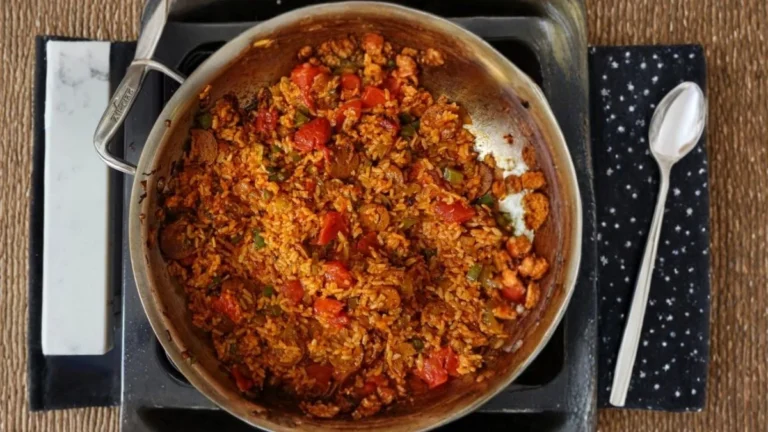

There’s something magical about a pot of Stalekracker jambalaya bubbling away on the stove – that intoxicating aroma of smoked sausage, the Holy Trinity vegetables caramelizing, and Cajun spices melding into pure Louisiana soul food.
This copycat Stalekracker jambalaya recipe brings that legendary South Louisiana flavor right to your kitchen. Whether you’re craving comfort food for a crowd or want to master an authentic Cajun jambalaya recipe, this recipe delivers layers of smoky, savory goodness that’ll have everyone coming back for seconds.
Let’s dive into making this showstopper dish that feeds 200 hungry souls! Perfectly paired with stalekracker crawfish cornbread and seasoned bites of Stalekracker Cajun Shrimp, this feast promises bold flavors that will wow every guest.
What Does Stalekracker Jambalaya Taste Like?
This Stalekracker jambalaya recipe with sausage is a flavor explosion that hits all the right notes. Imagine rich, smoky beef sausage dancing with deeply caramelized onions, bell peppers, and celery.
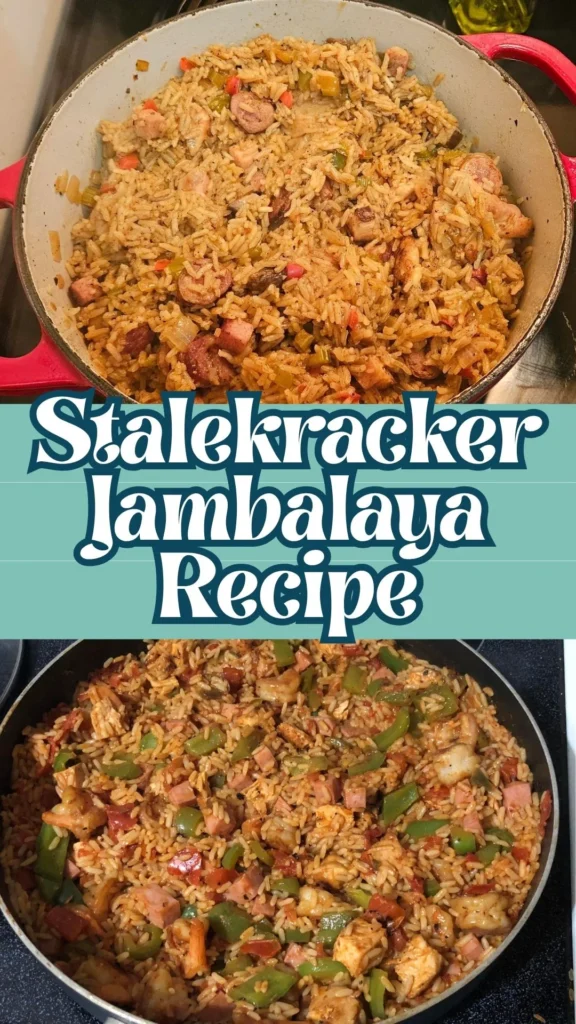
Each spoonful delivers umami-packed beef, herbaceous notes from fresh parsley, and that signature Cajun kick that warms you from the inside out. The creamy soups add luxurious moisture, while the Louisiana long-grain rice soaks up every bit of that seasoned broth.
It’s savory, slightly spicy, incredibly satisfying, and never dry – a true best Stalekracker jambalaya recipe that balances bold flavors with comforting creaminess.
Stalekracker Jambalaya Ingredients You’ll Need
Main Proteins:
- 40 pounds smoked beef sausage (sliced; halal-certified andouille-style)
- Large amount smoked beef tasso or smoked beef chunks (diced)
- Copious amount beef stew meat, chuck, or similar cuts (for browning)
The Holy Trinity & Aromatics:
- Copious amounts onions (chopped)
- Copious amounts bell peppers (chopped)
- Copious amounts celery (chopped)
- Copious amount garlic, minced
You can try this recipe to elevate your Holy Trinity, boosting flavors and aromatics for the perfect Stalekracker Jambalaya Recipe every time.
Flavor Builders:
- Halal Worcestershire substitute (soy sauce, vinegar, ketchup – see instructions)
- Large bunch fresh parsley (for deglazing and finishing)
- Green onions (for garnish)
Creamy Components:
- Cream of celery soup (halal-certified cans)
- Cream of mushroom soup (halal-certified)
- Cream of chicken soup (halal-certified, or substitute)
Base & Seasoning:
- Large amount homemade beef stock or halal chicken/vegetable broth
- Copious amounts Cajun/Creole seasoning (halal-certified)
- Louisiana long-grain white rice (parboiled style; enough for 200 servings)
- Optional: cayenne pepper or hot sauce (halal versions)
Kitchen Utensils:
- Extra-large jambalaya pot or stockpot
- Long wooden spoon or paddle
- Sharp knife and cutting board
- Measuring cups and spoons
- Large mixing bowl
- Ladle
Preparation and Cooking Time
Prep Time: 45 minutes
Cook Time: 3.5-4 hours
Resting Time: 35-45 minutes
Total Time: 5-5.5 hours
Servings: 200 generous portions
Step-by-Step Stalekracker Jambalaya Recipe Instructions
Step 1: Render the Meats
In your large jambalaya pot over medium heat, add the smoked beef tasso and sliced smoked beef sausage. Cook down for 15-20 minutes, stirring occasionally, to render out all that glorious fat and build deep, smoky flavor.
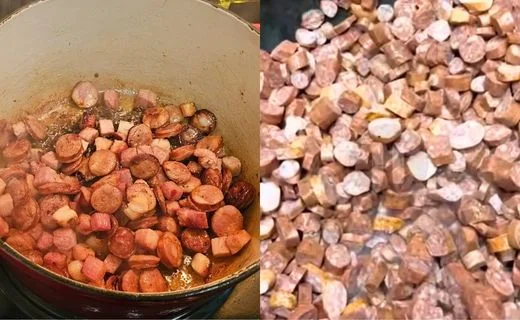
Once beautifully browned, remove the meats with a slotted spoon and set aside, leaving all the flavorful rendered fat in the pot.
Step 2: Build Your Flavor Foundation
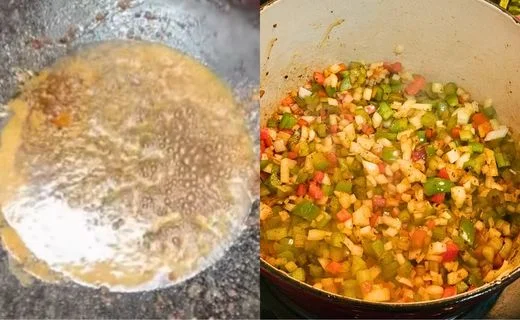
Add the Holy Trinity (onions, bell peppers, celery) and copious amounts of minced garlic to the rendered beef fat. Add your extra beef meat chunks. Brown everything deeply over medium heat for about 1 hour, stirring frequently and scraping up all those browned bits (the “grinder”) from the bottom – that’s where your money flavor lives. Be patient and let it develop rich, caramelized color.
Step 3: Deglaze and Season
Make your halal Worcestershire substitute by mixing 1 part soy sauce + 1 part white or apple cider vinegar + ½ part ketchup. Add a generous splash to the pot along with fresh parsley to “wash out” all that delicious fond. Season heavily with your Cajun seasoning. Stir well and cook down until bubbly and fragrant, continuing the browning process for about another hour (2 hours total cooking time at this point).
Step 4: Reunite the Proteins
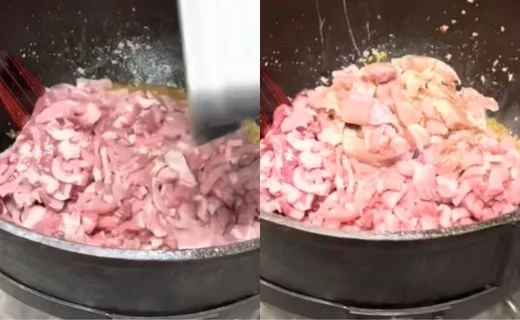
Return the rendered smoked beef sausage and tasso/beef chunks to the pot. Stir everything together, ensuring all those flavors marry beautifully.
Step 5: Add Creamy Moisture
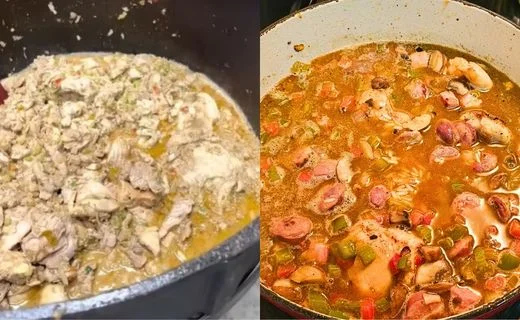
Stir in the halal-certified cream of celery, cream of mushroom, and cream of chicken soups. These keep your jambalaya luxuriously moist and prevent any dryness later. Mix thoroughly.
Step 6: Pour in the Liquid Gold
Add your large amount of homemade beef stock or halal broth. Bring everything to a rolling boil, then taste and adjust seasoning. Want more heat? This is your moment to add extra Cajun spice or cayenne.
Step 7: Incorporate the Rice
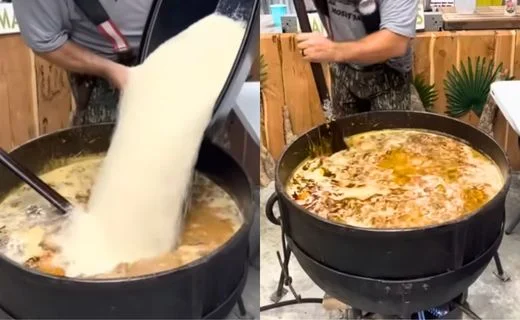
Stir in the uncooked Louisiana long-grain rice. Bring back to a rolling boil and do not cover. Simmer, stirring occasionally, until the rice floats to the top and starts absorbing that flavorful liquid – you’ll actually see it “sucking up” the goodness. This takes patience, about 20-30 minutes.
Step 8: Steam to Perfection
Once most liquid is absorbed and rice is floating at the surface, cover the pot tightly. Reduce heat to very low (or turn off completely if your pot retains heat well) and let it steam for 35-45 minutes. No peeking!

Step 9: Fluff and Serve
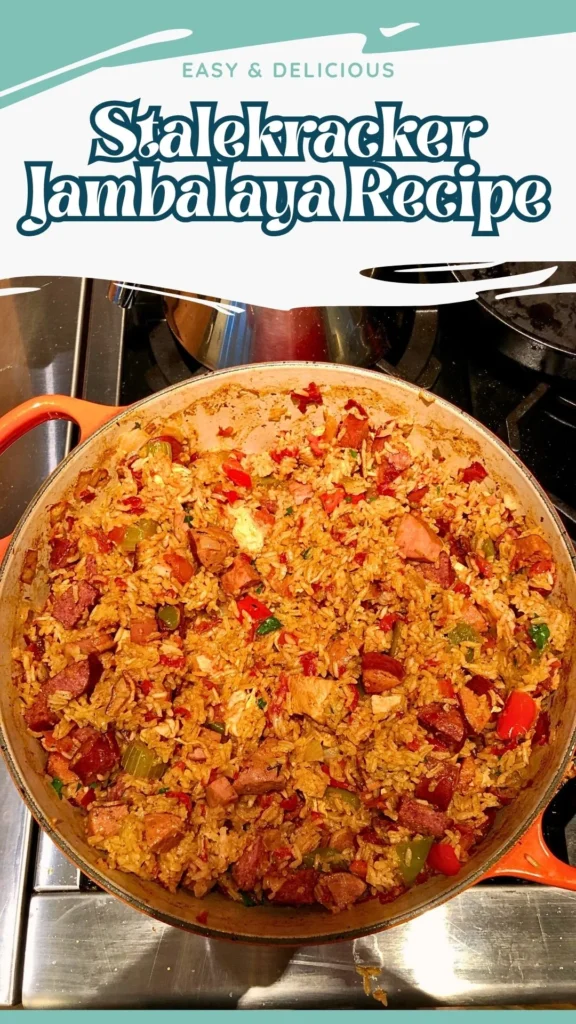
After resting, remove the lid and gently fluff the jambalaya with your wooden spoon. It should be creamy, moist, and absolutely irresistible. Check seasoning one final time, garnish with green onions, and serve hot. For that authentic touch, scoop onto crackers for a fun “cracker jambalaya” experience!
Customization and Pairing Ideas for Serving
1. Seafood Lover’s Twist
Transform this jambalaya recipe Stalekracker style by adding 10-15 pounds of peeled shrimp or crawfish tails in the last 10 minutes of cooking. The seafood soaks up those Cajun spices beautifully without overcooking. You can also include crab meat for an extra luxurious coastal Louisiana vibe.
2. Heat Level Customization
Make it family-friendly by keeping the Cajun seasoning moderate and offering hot sauce on the side. For spice enthusiasts, add diced jalapeños with the Holy Trinity, increase cayenne pepper, or stir in some Louisiana-style hot sauce during cooking. You control the fire!
3. Vegetable Boost
While staying true to tradition, you can sneak in extra nutrition by adding diced tomatoes (fresh or canned), okra for that authentic gumbo crossover, or additional bell peppers in various colors. These complement the Cajun jambalaya recipe without overpowering the classic flavor profile.
4. Serving Presentation Styles
Go traditional with a big scoop in a bowl, Southern-style on a bed of saltine crackers (the Stalekracker way!), or serve it in bread bowls for a fun twist. For parties, set up a jambalaya bar with toppings like extra green onions, hot sauce varieties, and crusty French bread on the side.
5. Protein Variations
While this Stalekracker jambalaya recipe with sausage focuses on beef, you can experiment with different halal-certified smoked sausages, add smoked turkey for lighter fare, or incorporate more tasso for intensified smoky flavor. Each protein brings its own character to the dish.
6. Perfect Pairings
Serve your jambalaya alongside classic Southern sides: crispy cornbread with honey butter, creamy coleslaw to cut the richness, collard greens with ham hock, or a simple cucumber and tomato salad. For beverages, sweet iced tea, cold beer, or lemonade complement the spicy flavors perfectly.
7. Leftover Reinvention
This best Stalekracker jambalaya recipe makes incredible leftovers! Transform extras into jambalaya-stuffed bell peppers, use as filling for breakfast burritos with scrambled eggs, make jambalaya arancini (fried rice balls), or simply reheat with a splash of broth for lunch the next day.
Essential Tips for Perfect Jambalaya
1. Patience with the Browning Process
The secret to authentic Stalekracker jambalaya recipe easy success is not rushing the browning stages. That 2-hour foundation-building phase creates layers of caramelized flavor that can’t be replicated with shortcuts. Keep scraping that “grinder” (fond) from the bottom – it’s pure gold. The darker (without burning), the better your final flavor.
2. Rice Selection Matters
Louisiana long-grain parboiled rice isn’t just traditional – it’s scientifically better for jambalaya. This rice variety absorbs liquid without turning mushy and maintains its structure throughout that long steaming process. Avoid instant or jasmine rice, which will become sticky or break down in this Cajun jambalaya recipe.
3. The Holy Trinity Ratio
Traditional Creole cooking uses equal parts onions, celery, and bell peppers. For a pot this size, you’re looking at roughly 10-12 pounds of each vegetable. Don’t skimp – these aromatics form the soul of Louisiana cuisine and provide natural sweetness that balances the smoky, spicy elements.
4. Seasoning in Layers
Season at multiple stages rather than all at once. Add some Cajun spice during the browning, more after adding vegetables, and adjust again before adding rice. This layering technique ensures complex, well-integrated flavor throughout every bite of your jambalaya recipe Stalekracker style.
5. Watch Your Liquid-to-Rice Ratio
A general rule: use about 2 cups of liquid per 1 cup of uncooked rice, but with all those creamy soups and rendered fats, you might need slightly less stock. The rice should be covered by liquid with about an inch above it when you first add it. Too much liquid creates soup; too little creates crunchy, undercooked rice.
6. Don’t Stir After Covering
Once you cover the pot for steaming, resist the urge to peek or stir! Every time you lift that lid, you release precious steam needed for even cooking. Trust the process. That 35-45 minute undisturbed rest transforms good jambalaya into great jambalaya with perfectly tender, fluffy rice.
7. Quality Fat Equals Quality Flavor
The rendered fat from smoked sausage and tasso is non-negotiable flavor. If your meats seem lean, don’t be afraid to add a bit of cooking oil or butter to ensure proper browning. Fat carries flavor compounds and creates that rich, coating mouthfeel that makes this best Stalekracker jambalaya recipe so addictive.
Storage and Reheating Guidance
Store leftover jambalaya in airtight containers in the refrigerator for up to 4 days. Reheat gently on the stovetop with a splash of broth or stock to restore moisture, stirring occasionally until heated through. You can also microwave individual portions, covered, stirring halfway through.
Common Queries and FAQs
Here, we’ve got you covered with some common questions about the Stalekracker Jambalaya Recipe that people often ask
Can I make this Stalekracker jambalaya recipe in a smaller batch?
Absolutely! This recipe serves 200, but you can easily scale it down. Divide all ingredients by 10 for a 20-serving batch, or by 20 for a standard family dinner of 10 servings. The cooking times remain similar, though a smaller pot will brown faster. The key ratios and techniques stay the same.
What’s the difference between jambalaya and gumbo?
Jambalaya is a rice dish where the rice cooks directly in the flavorful liquid with the proteins and vegetables, resulting in a drier, more cohesive dish. Gumbo is a soup or stew with a thickened broth (often using a roux or okra), served over rice that’s cooked separately. Both are Louisiana classics but completely different textures.
Can I use regular sausage instead of smoked sausage?
You can, but you’ll lose that signature smoky depth that defines this Stalekracker jambalaya recipe with sausage. Smoked andouille-style beef sausage is crucial for authentic flavor. If unavailable, add liquid smoke (1-2 tablespoons) to regular sausage, though it won’t be quite the same.
Why do you use three different cream soups?
Each cream soup brings unique flavor and moisture. Cream of celery reinforces the Holy Trinity, cream of mushroom adds earthy umami, and cream of chicken provides savory richness. Together, they create a complex, creamy base that prevents dry jambalaya – a common problem with large-batch cooking.
What if I don’t have beef tasso?
Tasso is a spicy, smoked seasoning meat that’s hard to find outside Louisiana. Substitute with extra smoked beef sausage, smoked beef brisket, or even smoked turkey. The goal is smoky, seasoned meat that renders flavorful fat. In a pinch, bacon can work, though it’s not traditional.
How do I know when the rice is done?
The rice is ready when it floats to the top, most liquid is absorbed, and grains are tender but not mushy. After the covered steaming period, rice should be fluffy and separate easily when stirred. If it’s still crunchy, add a bit more liquid, cover, and steam another 10-15 minutes.
Can I make jambalaya in a slow cooker?
For best results, brown your meats and Holy Trinity on the stovetop first (steps 1-3), then transfer to a slow cooker with soups, stock, and rice. Cook on low for 3-4 hours. However, slow cookers don’t replicate that crucial browning and fond development that makes this Cajun jambalaya recipe exceptional.
Is this recipe spicy hot?
The heat level depends entirely on your Cajun seasoning blend and how much you use. Most Cajun seasonings have moderate heat with cayenne pepper. Start conservatively, taste as you go, and add more spice toward the end. You want flavorful warmth, not mouth-burning fire (unless that’s your preference!).
What’s the best way to feed 200 people with this recipe?
Set up a buffet-style serving station with the jambalaya in chafing dishes or slow cookers set to “warm.” Provide crackers, hot sauce, and green onions on the side. Calculate about 1-1.5 cups per person. Keep backup heated jambalaya ready to refill as needed.
Can I freeze jambalaya?
Yes! Cool completely, then portion into freezer-safe containers or bags. Freeze for up to 3 months. Thaw overnight in the refrigerator, then reheat on the stovetop with added broth. The texture may be slightly softer after freezing, but flavor remains excellent for this jambalaya recipe Stalekracker style.
Why is my jambalaya mushy?
Mushy jambalaya usually results from too much liquid, over-stirring after adding rice, or using the wrong rice variety. Use long-grain parboiled rice, measure liquid carefully (about 2:1 liquid to rice), and avoid stirring once covered. Let steam work its magic undisturbed.
What does “washing out the grinder” mean?
“Grinder” refers to the browned bits (fond) stuck to the pot bottom – that’s concentrated flavor. “Washing out” means deglazing with liquid (like the Worcestershire substitute and parsley) to dissolve those bits back into the dish. Scrape vigorously with your wooden spoon to incorporate every bit.
Stalekracker Jambalaya Recipe
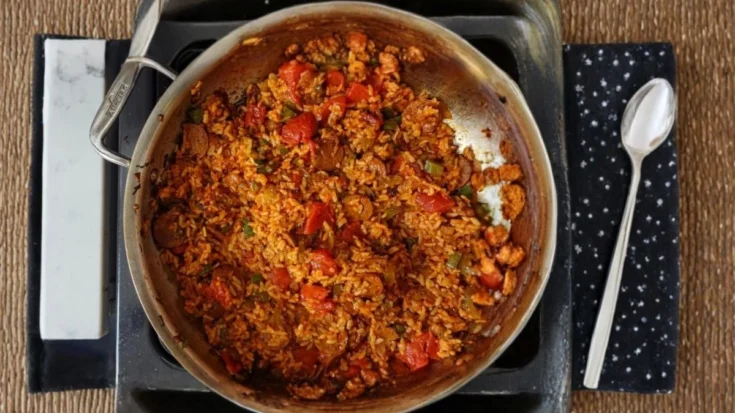
There’s something magical about a pot of Stalekracker jambalaya bubbling away on the stove – that intoxicating aroma of smoked sausage, the Holy Trinity vegetables caramelizing, and Cajun spices melding into pure Louisiana soul food. This copycat Stalekracker jambalaya recipe brings that legendary South Louisiana flavor right to your kitchen.
Ingredients
- 40 pounds smoked beef sausage
- Large amount smoked beef tasso or smoked beef chunks
- Copious amount beef stew meat, chuck, or similar cuts
- Copious amounts onions
- Copious amounts bell peppers
- Copious amounts celery
- Copious amount garlic, minced
- Halal Worcestershire substitute
- Large bunch fresh parsley
- Green onions
- Cream of celery soup
- Cream of mushroom soup
- Cream of chicken soup
- Large amount homemade beef stock or halal chicken/vegetable broth
- Copious amounts Cajun/Creole seasoning
- Louisiana long-grain white rice
- Optional: cayenne pepper or hot sauce (
Instructions
Step 1: Render the Meats
In your large jambalaya pot over medium heat, add the smoked beef tasso and sliced smoked beef sausage. Cook down for 15-20 minutes, stirring occasionally, to render out all that glorious fat and build deep, smoky flavor. Once beautifully browned, remove the meats with a slotted spoon and set aside, leaving all the flavorful rendered fat in the pot.
Step 2: Build Your Flavor Foundation
Add the Holy Trinity (onions, bell peppers, celery) and copious amounts of minced garlic to the rendered beef fat. Add your extra beef meat chunks. Brown everything deeply over medium heat for about 1 hour, stirring frequently and scraping up all those browned bits (the “grinder”) from the bottom – that’s where your money flavor lives. Be patient and let it develop rich, caramelized color.
Step 3: Deglaze and Season
Make your halal Worcestershire substitute by mixing 1 part soy sauce + 1 part white or apple cider vinegar + ½ part ketchup. Add a generous splash to the pot along with fresh parsley to “wash out” all that delicious fond. Season heavily with your Cajun seasoning. Stir well and cook down until bubbly and fragrant, continuing the browning process for about another hour (2 hours total cooking time at this point).
Step 4: Reunite the Proteins
Return the rendered smoked beef sausage and tasso/beef chunks to the pot. Stir everything together, ensuring all those flavors marry beautifully.
Step 5: Add Creamy Moisture
Stir in the halal-certified cream of celery, cream of mushroom, and cream of chicken soups. These keep your jambalaya luxuriously moist and prevent any dryness later. Mix thoroughly.
Step 6: Pour in the Liquid Gold
Add your large amount of homemade beef stock or halal broth. Bring everything to a rolling boil, then taste and adjust seasoning. Want more heat? This is your moment to add extra Cajun spice or cayenne.
Step 7: Incorporate the Rice
Stir in the uncooked Louisiana long-grain rice. Bring back to a rolling boil and do not cover. Simmer, stirring occasionally, until the rice floats to the top and starts absorbing that flavorful liquid – you’ll actually see it “sucking up” the goodness. This takes patience, about 20-30 minutes.
Step 8: Steam to Perfection
Once most liquid is absorbed and rice is floating at the surface, cover the pot tightly. Reduce heat to very low (or turn off completely if your pot retains heat well) and let it steam for 35-45 minutes. No peeking!
Step 9: Fluff and Serve
After resting, remove the lid and gently fluff the jambalaya with your wooden spoon. It should be creamy, moist, and absolutely irresistible. Check seasoning one final time, garnish with green onions, and serve hot. For that authentic touch, scoop onto crackers for a fun “cracker jambalaya” experience!
Notes
Store leftover jambalaya in airtight containers in the refrigerator for up to 4 days. Reheat gently on the stovetop with a splash of broth or stock to restore moisture, stirring occasionally until heated through. You can also microwave individual portions, covered, stirring halfway through.
Nutrition Information:
Yield:
8Serving Size:
1Amount Per Serving: Calories: 320
This copycat Stalekracker jambalaya recipe brings authentic South Louisiana soul food to your table, whether you’re feeding a crowd of 200 or scaling down for family dinner. The layers of smoky sausage, caramelized vegetables, and perfectly seasoned rice create comfort food that’s worth every minute of that patient browning process.
Don’t be intimidated by the size or timing – jambalaya is forgiving and rewards your effort with incredible flavor. Fire up that pot, embrace the Cajun spirit, and get ready for some serious compliments. Your kitchen is about to smell like the bayou!
You can also follow us on Pinterest, and YouTube for more delicious updates and kitchen inspiration. Your feedback and support mean the world to us!