
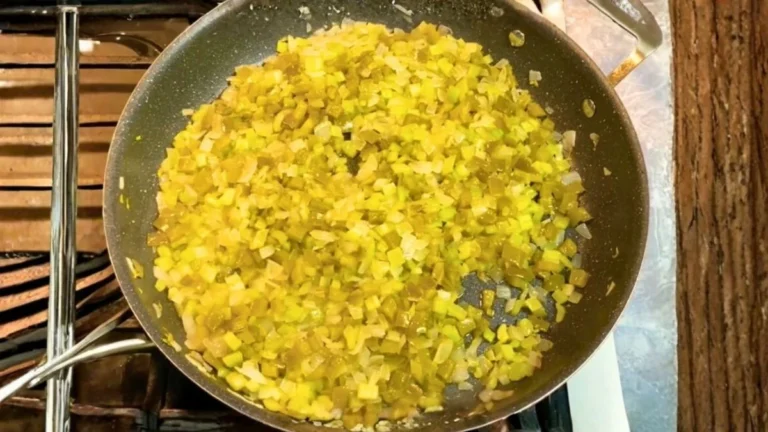

If you’ve ever wondered what makes authentic Cajun and Creole cooking so irresistibly flavorful, the answer lies in a simple yet transformative vegetable trio called the Holy Trinity.
This copycat Stalekracker Holy Trinity recipe breaks down the exact technique for creating this aromatic foundation that’s been passed down through generations of Louisiana kitchens. Whether you’re making gumbo, jambalaya, étouffée, or red beans and rice, mastering how to make Stalekracker Holy Trinity means you’re unlocking the soul of Cajun cuisine.
The secret? Perfectly sautéed onions, celery, and bell peppers that meld together into a sweet, savory base-and when you add roasted garlic, it becomes “Holy Trinity and the Pope,” taking your dishes to heavenly heights.
What Does It Taste Like?
This cajun holy trinity recipe delivers a beautifully balanced flavor profile that’s sweet, aromatic, and deeply savory.
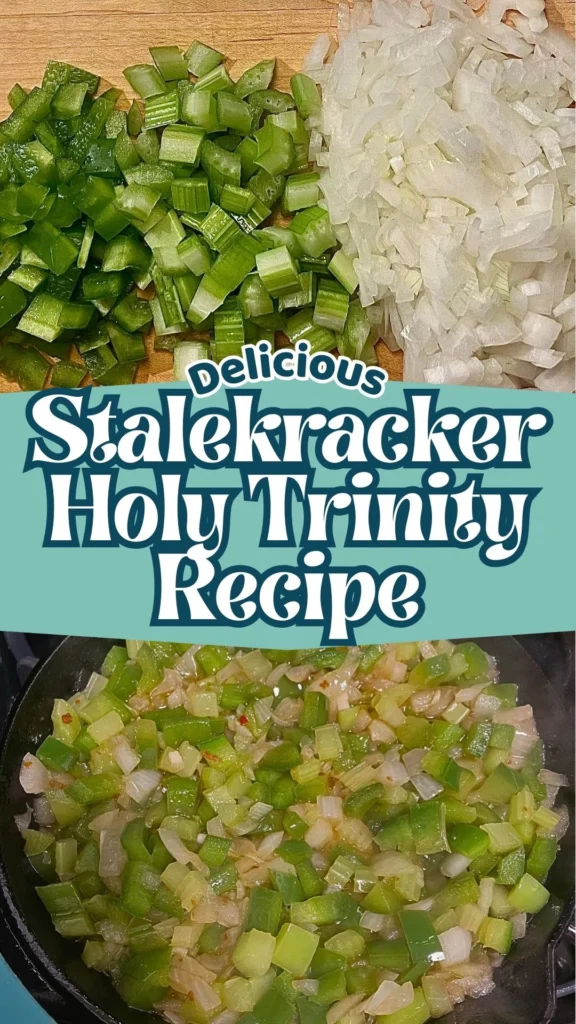
The onions provide natural sweetness and depth, while the celery adds an earthy, subtle herbal note that mellows as it cooks down. Green bell peppers contribute a gentle vegetal sweetness with just a hint of bitterness that rounds everything out. When cooked low and slow, these vegetables release their moisture and create a glossy, caramelized essence without browning.
The optional roasted garlic (making it “the Pope”) adds a mellow, nutty richness that ties everything together with an unmistakable warmth. The result is a fragrant, cohesive base that tastes like comfort, tradition, and Louisiana soul.
Stalekracker Holy Trinity Ingredients
For the Holy Trinity:
- 2 cups yellow onions, diced
- 1½ cups celery, diced small
- 1½ cups green bell peppers, diced (fresh or pre-sautéed frozen)
- 3 tablespoons vegetable oil (or neutral cooking oil)
- 1 teaspoon salt (plus more to taste)
“The Pope” (Optional):
- 4-6 cloves roasted garlic, minced
You can boost Holy Trinity flavor using Stalekracker Cajun Two Step seasoning.
Kitchen Utensils
- Large skillet or sauté pan (12-inch recommended)
- Wooden spoon or silicone spatula
- Chef’s knife
- Cutting board
- Measuring cups
- Trivet or heat-safe surface
Preparation and Cooking Time
- Prep Time: 15 minutes
- Cook Time: 25-30 minutes
- Total Time: 40-45 minutes
- Servings: Makes about 4 cups (enough for 2-3 large pots of gumbo or other Cajun dishes)
Stalekracker Holy Trinity Recipe Instructions
Step 1
Heat 3 tablespoons of vegetable oil in a large skillet over medium-high heat. Allow the oil to shimmer and become hot, adding a splash more if your pan seems dry. This initial heat is crucial for proper sautéing.

Step 2
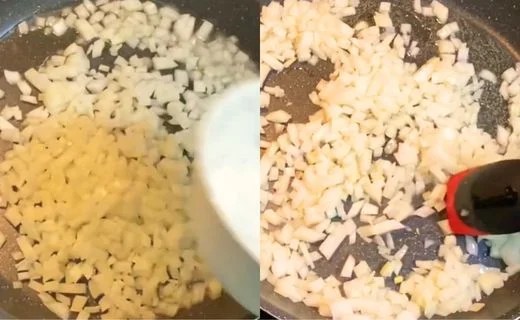
Add the diced onions first to the hot oil. Sauté for 3-4 minutes, stirring occasionally, until they begin softening and becoming translucent. Adjust heat to medium if they’re browning too quickly-you want them sweating, not caramelizing.
Step 3
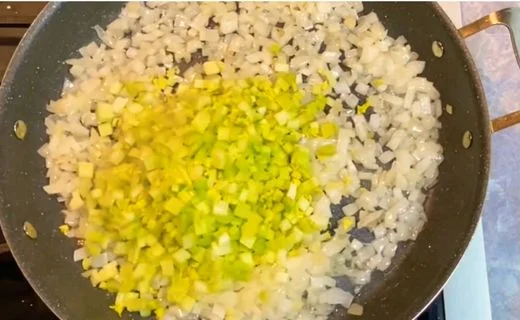
Add the finely diced celery to the onions. Stir well to combine and coat everything evenly with oil. Continue cooking for another 4-5 minutes, allowing the celery to soften and release its aromatic oils.
Step 4
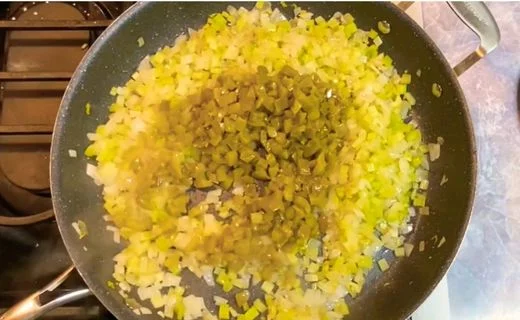
Add the diced green bell peppers (whether fresh or thawed pre-sautéed frozen). Stir thoroughly to incorporate all three vegetables. The mixture should smell fragrant and inviting at this point.
Step 5
Season the vegetable mixture with salt. Add about ½ teaspoon now, reserving more for final seasoning. This helps draw out moisture from the vegetables.
Step 6
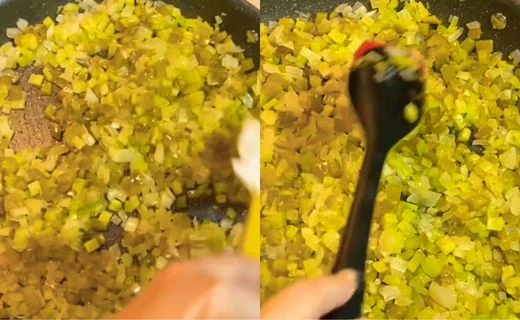
Reduce the heat to low. Let the cajun holy trinity cook gently for 12-14 minutes, stirring occasionally. The vegetables should meld together beautifully, releasing their natural moisture and creating a glossy, steam-glazed appearance while maintaining their vibrant colors.
Step 7
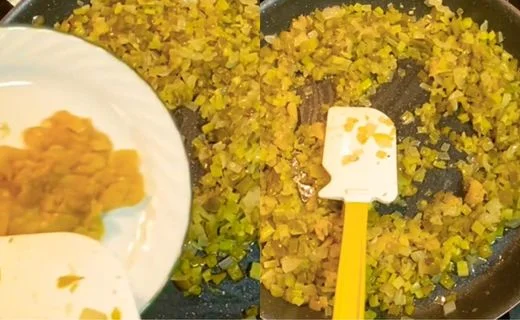
Remove the pan from heat and place it on a trivet. Add the minced roasted garlic and stir it in thoroughly. The residual heat will gently warm the garlic without cooking it harshly, preserving its sweet, mellow flavor. Let it sit for 2-3 minutes to finish melding.
Step 8
Taste and adjust seasoning with additional salt if needed. Your Stalekracker Holy Trinity is now ready to use as a flavor base or cool completely for freezing.
Customization and Pairing for Serving Ideas
1. Classic Gumbo Foundation
Use this holy trinity as the aromatic base for chicken and sausage gumbo, seafood gumbo, or okra gumbo. Add it right after your roux reaches the perfect chocolate-brown color for authentic Louisiana flavor.
2. Jambalaya Starter
Build your one-pot jambalaya on this foundation by adding the trinity to your pot first, then layering in proteins, rice, and stock. The vegetables create the essential flavor backdrop that makes jambalaya so satisfying.
3. Red Beans and Rice Base
Start your Monday red beans and rice tradition by sautéing your trinity with andouille sausage before adding beans and stock. This combination is quintessential Creole home cooking.
4. Étouffée Enhancement
Whether you’re making crawfish, shrimp, or chicken étouffée, this holy trinity combined with butter, flour, and stock creates that signature rich, smothered sauce that defines the dish.
5. Dirty Rice Flavor Boost
Incorporate the trinity into your dirty rice (rice dressing) along with ground meat and giblets for a deeply flavored side dish that’s pure Cajun comfort food.
6. Cajun Pasta Base
Use this as a starting point for Cajun pasta dishes like pasta jambalaya or blackened chicken pasta. The trinity adds authentic Louisiana character to Italian-inspired fusion dishes.
7. Southern Feast Upgrade
Elevate your Stalekracker Holy Trinity by serving it alongside stalekracker corn casserole for creamy texture and stalekracker green bean casserole to add homestyle flavor, perfect for holidays, potlucks, and family gatherings.
8. Soup and Stew Foundation
Beyond traditional Cajun dishes, use this versatile base for any hearty soup, stew, or chili where you want deep, aromatic vegetable flavor. It works beautifully in chicken and sausage soup, Cajun-spiced vegetable stew, or even as a flavor boost in tortilla soup.
Essential Tips for Perfect Holy Trinity
1. Dice Vegetables Uniformly
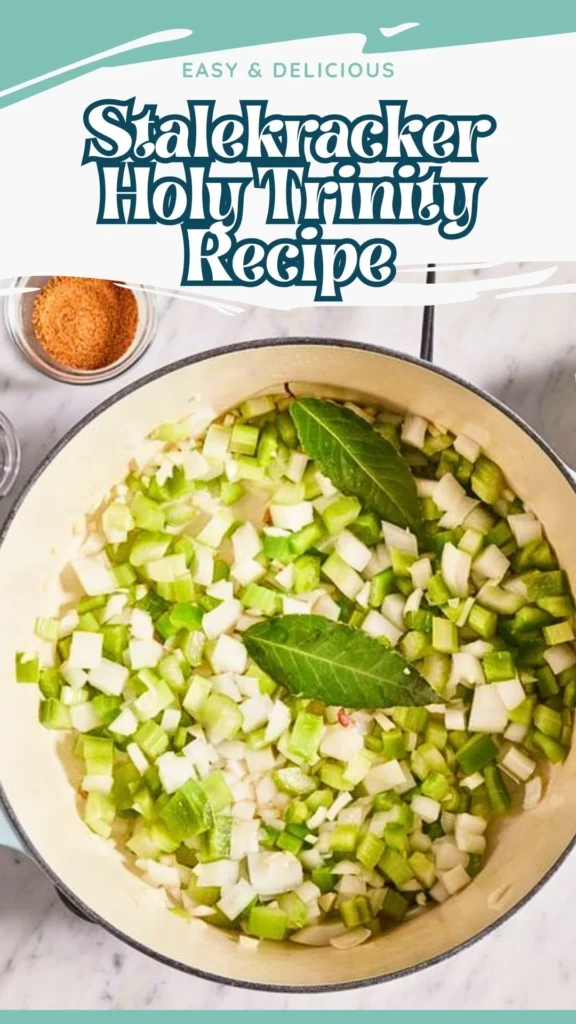
Cut your onions, celery, and bell peppers into similar-sized pieces (about ¼-inch dice) so they cook evenly. Finely diced celery is especially important-it cooks down beautifully and disappears into dishes, making it perfect for picky eaters who claim they don’t like celery.
2. Master the Heat Control
Start with medium-high heat to get the oil hot and the onions sizzling, but don’t be afraid to reduce to medium or even medium-low as you add more vegetables. The goal is softening and melding, not browning or caramelizing. Too much color means bitter flavors instead of sweet.
3. Pre-Prep and Freeze Like a Pro
Stalekracker making Holy Trinity in bulk is a game-changer for busy weeknights. Double or triple the recipe, let it cool completely, then portion into freezer bags or containers in 1-2 cup servings. It freezes beautifully for up to 3 months and can go straight from freezer to pot.
4. Use Pre-Sautéed Frozen Peppers
Don’t shy away from using pre-sautéed frozen bell peppers like in the original method. They’re already partially cooked, maintain excellent quality after freezing, and save you precious prep time. Just thaw them before adding to avoid excess moisture in your pan.
5. Add Garlic at the End
Raw garlic burns easily and becomes bitter when cooked too long. By adding pre-roasted or fresh minced garlic off the heat at the very end, you get all the flavor without any harshness. This technique of making it “Holy Trinity and the Pope” adds incredible depth without overpowering the vegetables.
6. Don’t Rush the Low-and-Slow Phase
That final 12-14 minute simmer on low heat is where the magic happens. The vegetables release their moisture, soften completely, and their flavors marry together. This creates the glossy, cohesive base that distinguishes authentic cajun holy trinity from just sautéed vegetables. Patience here pays off tremendously.
7. Season in Layers
Add some salt early when the onions go in to help draw out moisture, then taste and adjust at the end. This layered seasoning approach ensures the vegetables are properly seasoned throughout, not just on the surface. Remember, this is a base ingredient, so you’ll add more seasoning in your final dish-don’t oversalt now.
Storage and Reheating Guidance
Store cooled holy trinity in an airtight container in the refrigerator for up to 5 days. For longer storage, freeze in portioned bags for up to 3 months. Add directly to hot dishes from frozen, or thaw overnight in the refrigerator and reheat gently in a pan before using.
Common Queries and FAQs
Everything you need to know about Stalekracker Holy Trinity Recipe: common questions answered.
What is the Cajun Holy Trinity?
The cajun holy trinity is the foundational aromatic vegetable base used in Louisiana Cajun and Creole cooking, consisting of equal parts onions, celery, and green bell peppers. It’s the Cajun equivalent of French mirepoix (which uses carrots instead of bell peppers) and forms the flavor foundation for countless dishes including gumbo, jambalaya, étouffée, and red beans and rice.
What’s the difference between Holy Trinity and mirepoix?
While both are aromatic vegetable bases, mirepoix uses onions, celery, and carrots in French cuisine, whereas the holy trinity cajun food substitutes green bell peppers for carrots. This swap reflects the agricultural availability and cultural influences of Louisiana, giving Cajun dishes their distinctive sweet-savory flavor profile rather than the earthier sweetness of carrots.
What does “Holy Trinity and the Pope” mean?
When you add garlic to the traditional holy trinity of onions, celery, and bell peppers, it becomes known as “Holy Trinity and the Pope” in Cajun cooking. The garlic adds an extra layer of aromatic depth and richness, though it’s optional. This playful religious reference reflects Louisiana’s strong Catholic cultural heritage.
Can I use different colored bell peppers?
While traditional cajun holy trinity recipe calls for green bell peppers, you can use red, yellow, or orange peppers for a sweeter, milder flavor. However, green peppers provide that characteristic slight bitterness that’s authentic to Louisiana cooking. If substituting, use at least 50% green peppers to maintain the traditional taste.
How do I roast garlic for this recipe?
To make roasted garlic for “the Pope,” cut the top off a whole garlic bulb, drizzle with olive oil, wrap in foil, and roast at 400°F for 35-40 minutes until soft and golden. Squeeze out the cloves and mince them. Roasted garlic is sweeter and mellower than raw, adding incredible depth without harshness when stirred in at the end.
Why do my vegetables keep browning instead of softening?
If your holy trinity browns or caramelizes too much, your heat is too high. Reduce to medium or medium-low heat, and make sure there’s enough oil in the pan to coat the vegetables. Stir more frequently and add a tablespoon or two of water if needed to create steam and prevent browning while encouraging softening.
Can I make this ahead of time?
Absolutely! This is one of the best meal-prep components you can make. Cook a large batch, let it cool completely, then portion and refrigerate for up to 5 days or freeze for up to 3 months. Having Stalekracker Holy Trinity ready to go makes weeknight Cajun cooking incredibly fast and easy.
What dishes use Holy Trinity as a base?
The holy trinity is used in virtually all Cajun and Creole dishes including gumbo (all varieties), jambalaya, étouffée (crawfish, shrimp, or chicken), red beans and rice, dirty rice, courtbouillon, sauce piquant, turtle sauce piquant, smothered okra, Cajun pasta dishes, and countless soups and stews.
Do I have to use celery?
I don’t like it. Celery is a crucial component of authentic cajun holy trinity, but the good news is that when diced very small and cooked properly, it becomes undetectable in texture while contributing essential earthy, herbal flavor. Give it a try diced finely-many celery skeptics find they don’t even notice it. If you absolutely must omit it, double the onions, but know the flavor won’t be traditional.
What’s the best ratio of vegetables for Holy Trinity?
Traditional holy trinity uses roughly equal parts of onions, celery, and bell peppers, though many cooks use slightly more onions (about 40% onions, 30% celery, 30% peppers). The recipe here reflects that common variation. The exact ratio isn’t sacred-what matters is the balance of sweet (onions, peppers) with earthy-herbal (celery).
Can I use a food processor to chop the vegetables?
While you can pulse vegetables in a food processor, be careful not to over-process them into mush. Use the pulse function in short bursts for more control. Hand-chopping gives you better control over texture and size, and prevents releasing too much moisture from the vegetables, which can affect how they cook.
Why add garlic at the end instead of with the other vegetables?
Garlic cooks much faster than onions, celery, and peppers, and burns easily when cooked for extended periods, becoming bitter and acrid. By adding minced roasted garlic at the very end off the heat, you preserve its sweet, mellow flavor while still incorporating it throughout the mixture using residual heat.
Is Holy Trinity spicy?
No, the holy trinity cajun food base itself is not spicy at all-it’s aromatic and savory but mild. The spice in Cajun cooking comes from separate additions like cayenne pepper, hot sauce, or Cajun seasoning blends added later in the cooking process. The trinity is simply the flavor foundation.
Stalekracker Holy Trinity Recipe
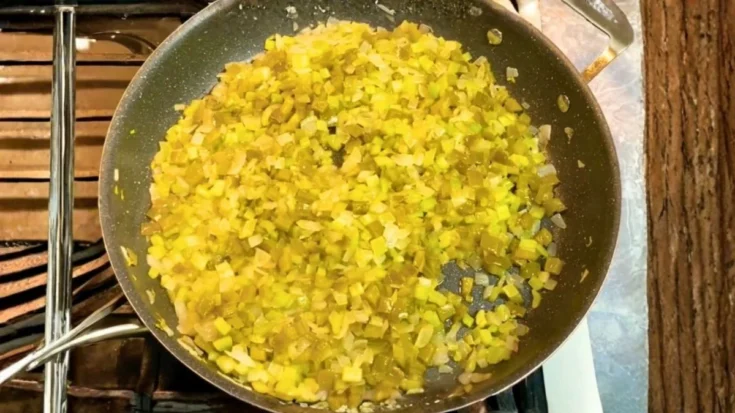
If you’ve ever wondered what makes authentic Cajun and Creole cooking so irresistibly flavorful, the answer lies in a simple yet transformative vegetable trio called the Holy Trinity. This copycat Stalekracker Holy Trinity recipe breaks down the exact technique for creating this aromatic foundation that’s been passed down through generations of Louisiana kitchens.
Ingredients
- 2 cups yellow onions, diced
- 1½ cups celery, diced small
- 1½ cups green bell peppers, diced (fresh or pre-sautéed frozen)
- 3 tablespoons vegetable oil (or neutral cooking oil)
- 1 teaspoon salt (plus more to taste)
- 4-6 cloves roasted garlic, minced
Instructions
Step 1: Heat 3 tablespoons of vegetable oil in a large skillet over medium-high heat. Allow the oil to shimmer and become hot, adding a splash more if your pan seems dry. This initial heat is crucial for proper sautéing.
Step 2: Add the diced onions first to the hot oil. Sauté for 3-4 minutes, stirring occasionally, until they begin softening and becoming translucent. Adjust heat to medium if they’re browning too quickly-you want them sweating, not caramelizing.
Step 3: Add the finely diced celery to the onions. Stir well to combine and coat everything evenly with oil. Continue cooking for another 4-5 minutes, allowing the celery to soften and release its aromatic oils.
Step 4: Add the diced green bell peppers (whether fresh or thawed pre-sautéed frozen). Stir thoroughly to incorporate all three vegetables. The mixture should smell fragrant and inviting at this point.
Step 5: Season the vegetable mixture with salt. Add about ½ teaspoon now, reserving more for final seasoning. This helps draw out moisture from the vegetables.
Step 6: Reduce the heat to low. Let the cajun holy trinity cook gently for 12-14 minutes, stirring occasionally. The vegetables should meld together beautifully, releasing their natural moisture and creating a glossy, steam-glazed appearance while maintaining their vibrant colors.
Step 7: Remove the pan from heat and place it on a trivet. Add the minced roasted garlic and stir it in thoroughly. The residual heat will gently warm the garlic without cooking it harshly, preserving its sweet, mellow flavor. Let it sit for 2-3 minutes to finish melding.
Step 8: Taste and adjust seasoning with additional salt if needed. Your Stalekracker Holy Trinity is now ready to use as a flavor base or cool completely for freezing.
Notes
Store cooled holy trinity in an airtight container in the refrigerator for up to 5 days. For longer storage, freeze in portioned bags for up to 3 months. Add directly to hot dishes from frozen, or thaw overnight in the refrigerator and reheat gently in a pan before using.
Nutrition Information:
Yield:
4Serving Size:
1Amount Per Serving: Calories: 60
This copycat Stalekracker Holy Trinity recipe is your passport to authentic Louisiana cooking right in your own kitchen. Once you master this simple yet essential technique of perfectly sautéed onions, celery, and bell peppers, you’ll find yourself making it on repeat for countless Cajun and Creole dishes.
The beauty of how to make Stalekracker Holy Trinity lies in its simplicity and versatility-it’s the building block that transforms ordinary ingredients into extraordinary meals packed with tradition and soul. Make a big batch, freeze portions, and you’ll always be minutes away from incredible gumbo, jambalaya, or étouffée. Happy cooking, y’all!
You can also follow us on Pinterest, and YouTube for more delicious updates and kitchen inspiration. Your feedback and support mean the world to us!