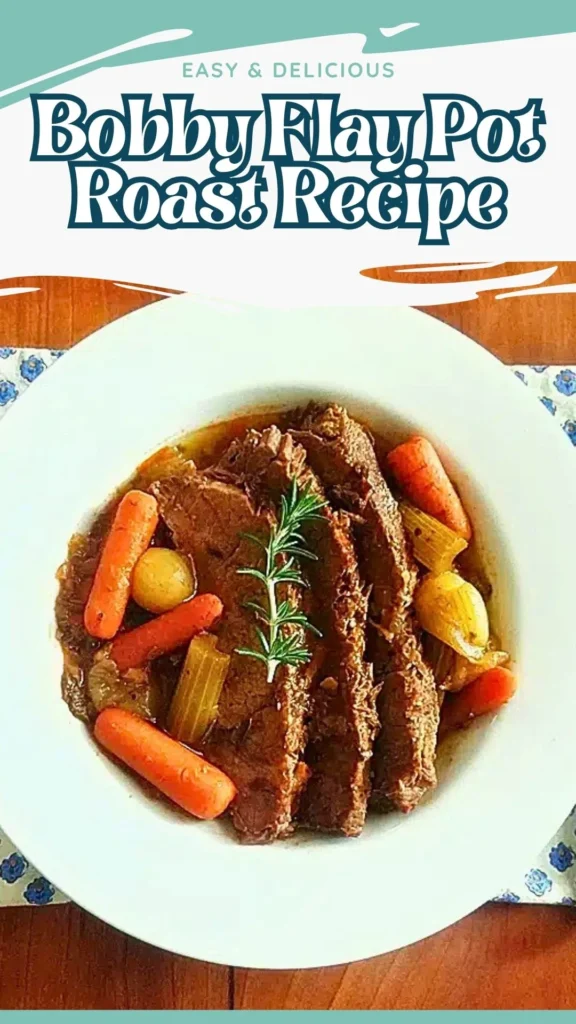
Bobby Flay Pot Roast Recipe
Few comfort food dishes can compete with the rich, satisfying flavors of a classic Bobby Flay pot roast recipe. Slow-braised beef, tender root vegetables, and a savory homemade gravy come together to create a meal that feels both rustic and special. It’s the kind of recipe that fills the kitchen with irresistible aromas and brings everyone to the table.
Known for his bold yet approachable cooking style, Bobby Flay elevates traditional pot roast with simple techniques that maximize flavor. Browning the beef until deeply caramelized and slowly braising it with aromatic vegetables creates layers of richness in every bite.
This hearty main course pairs beautifully with mo bettahs rice, red beans and rice, or mission bbq cheesy potatoes, making it easy to create a complete and satisfying meal for family dinners, holiday gatherings, or comforting weekend suppers.
Perfect for Sunday dinners, family gatherings, or cozy nights at home, this pot roast delivers melt-in-your-mouth texture and hearty comfort. With straightforward ingredients and a foolproof cooking method, it’s a recipe you’ll want to make again and again.
My Experience and How Does This Recipe Taste
The first time I prepared this Bobby Flay-inspired pot roast, I was amazed by how much flavor developed from such simple ingredients. Browning the roast before braising created a rich caramelized crust that added incredible depth to the final dish.
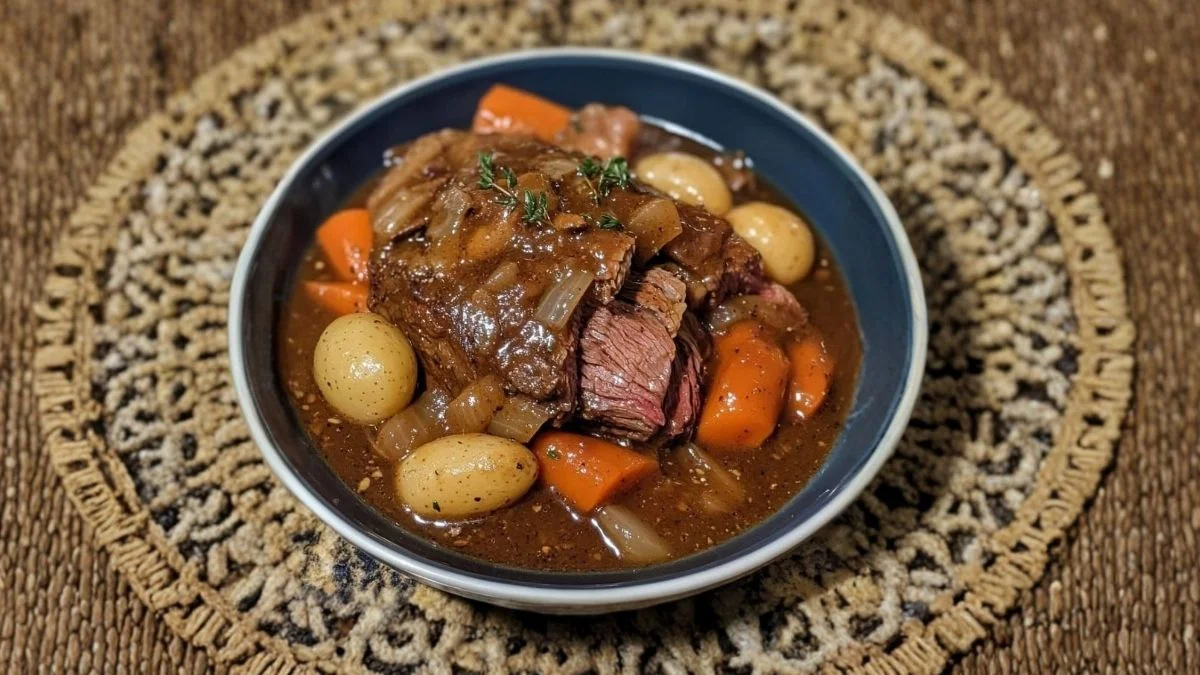
As the roast slowly simmered, the aroma of onions, carrots, celery, thyme, and bay leaf filled the kitchen. The fragrance alone made it difficult to wait until dinner. The red wine vinegar adds a subtle brightness that balances the richness of the beef beautifully.
The finished roast is exceptionally tender and juicy. The gravy is silky and packed with savory flavors, while the carrots, potatoes, and turnips become perfectly soft without turning mushy. Together, they create a comforting meal that’s both hearty and satisfying.
Bobby Flay Pot Roast Ingredients
For the Roast
- 1 chuck eye roast
- Salt, to taste
- Freshly ground black pepper, to taste
- 1 tablespoon olive oil
And for the Braising Base
- 1 onion, thinly sliced
- Carrots for mirepoix
- 1 celery stalk, coarsely chopped
- A few sprigs thyme
- 1 bay leaf
- Peppercorns
- 1 tablespoon all-purpose flour
- About 1¼ cups water
- 2 tablespoons red wine vinegar
Root Vegetables
- ¾ pound carrots
- ¾ pound turnips, peeled and cut into wedges
- ¾ pound baby potatoes (or quartered regular potatoes)
Kitchen Utensils Needed
- Heavy Dutch oven or braising pot
- Sharp chef’s knife
- Cutting board
- Wooden spoon
- Measuring spoons
- Measuring cup
- Baking sheet
- Fine mesh sieve
- Tongs
- Serving platter
Preparation and Cooking Time
- Prep Time: 20 minutes
- Cook Time: 3 hours 20 minutes
- Resting Time: 15 minutes
- Total Time: Approximately 3 hours 55 minutes
- Servings: 6–8 servings
Bobby Flay Pot Roast Recipe Steps
Step 1: Season the Roast
Generously season the chuck eye roast on all sides with salt and freshly ground black pepper.
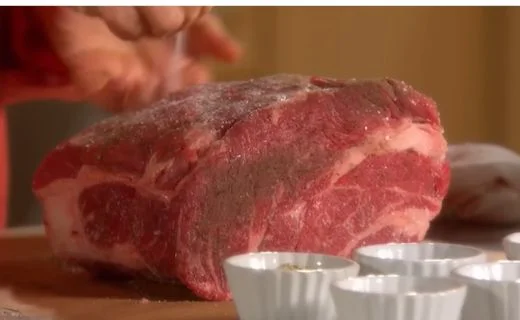
Rub the seasonings into the meat for maximum flavor.
Step 2: Brown the Meat
Heat olive oil in a heavy pot over high heat. Place the roast in the hot oil and brown thoroughly on all sides for about 8–10 minutes.
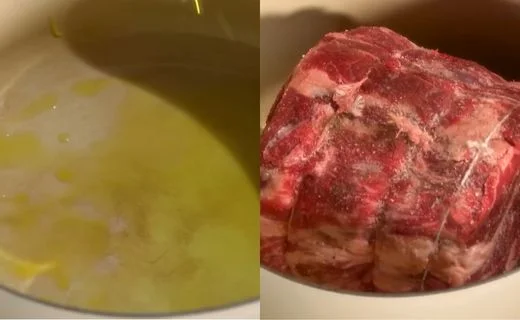
Avoid turning the meat until it naturally releases from the pan. Transfer the browned roast to a baking sheet.
Step 3: Cook the Aromatics
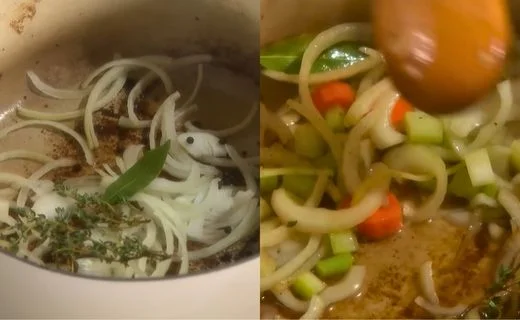
Using the same pot, add sliced onions, celery, carrots, thyme, bay leaf, and peppercorns. Cook for 2–3 minutes until the onions become translucent. Scrape up any browned bits from the bottom of the pot.
Step 4: Build the Braising Liquid
Sprinkle the flour over the vegetables and stir continuously for a couple of minutes. Pour in the water and red wine vinegar, stirring until the mixture begins to thicken slightly.
Step 5: Braise the Roast
Reduce the heat to a gentle simmer. Return the roast to the pot, ensuring the liquid reaches about 1 inch up the sides of the meat.
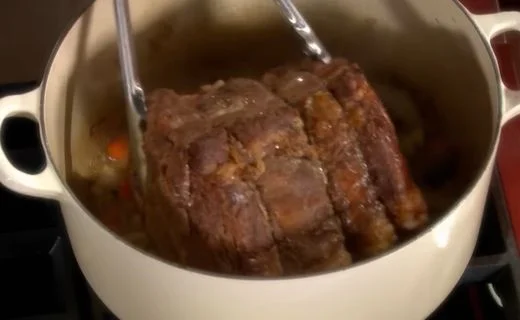
Cover tightly and cook for 2½ to 3 hours, turning the roast every 30 minutes.
Step 6: Strain the Gravy
Remove the roast and transfer it to a baking sheet. Strain the cooking liquid through a fine sieve, pressing the vegetables to extract maximum flavor. Discard the solids and skim excess fat if desired.

Step 7: Cook the Root Vegetables
Return the strained gravy to the pot. Add carrots, turnips, and potatoes. Bring to a simmer and place the roast on top. Cover and cook for another 15–20 minutes until the vegetables are fork-tender.
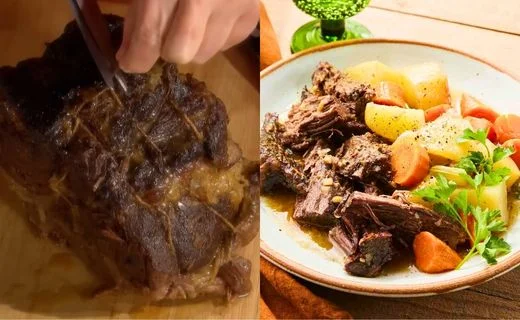
Step 8: Rest and Serve
Remove the roast and allow it to rest for 10–15 minutes. Slice or shred the meat and serve alongside the vegetables and rich homemade gravy.
Customization and Pairing Ideas
From my experience, the secret to an exceptionally tender pot roast is resisting the urge to rush. Let the roast brown deeply and braise gently at a low simmer for maximum flavor and fork-tender texture.
1. Add Mushrooms for Extra Umami
Sliced cremini or button mushrooms can be added during the final cooking stage. They absorb the flavorful gravy and add a delicious earthy taste.
2. Use Beef Broth Instead of Water
Replacing water with beef broth creates a deeper, richer flavor profile that enhances the savory character of the roast.
3. Include Garlic
Add 4–6 cloves of crushed garlic with the aromatics for additional depth and complexity.
4. Serve with Crusty Bread
A warm loaf of crusty bread is perfect for soaking up every drop of the flavorful gravy.
5. Pair with a Fresh Green Salad
A simple salad with a light vinaigrette balances the richness of the pot roast and vegetables.
6. Add Parsnips or Sweet Potatoes
Swap some of the turnips or potatoes with parsnips or sweet potatoes for a sweeter, more complex flavor combination.
7. Finish with Fresh Herbs
Before serving, sprinkle chopped parsley or fresh thyme over the roast. The fresh herbs brighten the dish and add beautiful color.

Expert Tips for the Best Bobby Flay Pot Roast Recipe
From my experience, this pot roast tastes even better with crusty bread, roasted mushrooms, or a fresh salad. I also love adding garlic and fresh herbs for extra depth and flavor.
1. Don’t Rush the Browning Process
One of the secrets to a flavorful Bobby Flay pot roast recipe is properly browning the meat. Allow the roast to develop a deep golden-brown crust before turning it. This caramelization adds incredible depth to the final gravy.
2. Season the Roast Generously
Pot roast is a large cut of meat, so don’t be shy with the salt and freshly ground black pepper. Proper seasoning helps bring out the beef’s natural flavors throughout the long cooking process.
3. Scrape Up the Browned Bits
After browning the roast, use the vegetables and a splash of liquid to loosen the browned bits stuck to the bottom of the pot. These flavorful pieces contribute significantly to the richness of the braising liquid.
4. Keep the Braising Liquid Low
The liquid should only come about an inch up the sides of the roast. Too much liquid can dilute the flavors, while a shallow braise allows the meat to cook slowly and develop a richer taste.
5. Turn the Roast During Cooking
Turning the roast every 30 minutes helps it cook evenly and ensures every side absorbs the flavorful braising liquid. This simple step can make a noticeable difference in tenderness.
6. Let the Meat Rest Before Slicing
After cooking, allow the roast to rest for at least 10 to 15 minutes. Resting helps the juices redistribute throughout the meat, resulting in a more tender and juicy pot roast.
7. Make the Gravy Ahead if Needed
If you’re preparing this Bobby Flay pot roast recipe for a gathering, you can make the gravy ahead of time and refrigerate it. This also makes it easier to remove excess fat before reheating and serving.
Storage and Reheating Guidance
Store leftover pot roast in an airtight container in the refrigerator for up to 4 days. For longer storage, freeze portions for up to 3 months. Reheat gently on the stovetop or in the microwave with a little extra gravy to keep the meat moist and tender.
Bobby Flay Pot Roast Recipe
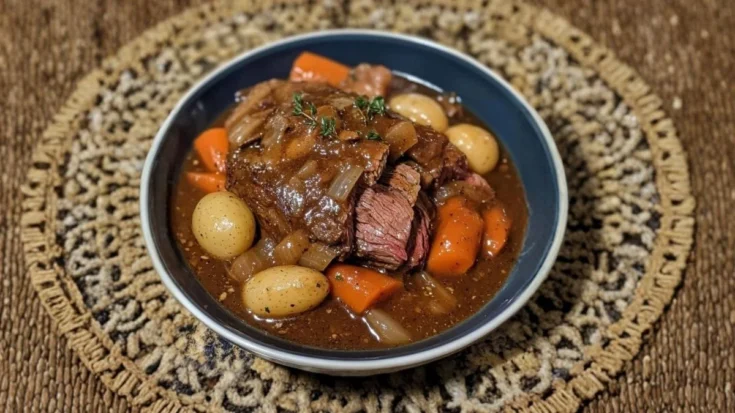
Few comfort food dishes can compete with the rich, satisfying flavors of a classic Bobby Flay pot roast recipe. Slow-braised beef, tender root vegetables, and a savory homemade gravy come together to create a meal that feels both rustic and special. It’s the kind of recipe that fills the kitchen with irresistible aromas and brings everyone to the table. Known for his bold yet approachable cooking style, Bobby Flay elevates traditional pot roast with simple techniques that maximize flavor. Browning the beef until deeply caramelized and slowly braising it with aromatic vegetables creates layers of richness in every bite.
Ingredients
- 1 chuck eye roast
- Salt, to taste
- Freshly ground black pepper, to taste
- 1 tablespoon olive oil
- 1 onion, thinly sliced
- Carrots for mirepoix
- 1 celery stalk, coarsely chopped
- A few sprigs thyme
- 1 bay leaf
- Peppercorns
- 1 tablespoon all-purpose flour
- About 1¼ cups water
- 2 tablespoons red wine vinegar
- ¾ pound carrots
- ¾ pound turnips, peeled and cut into wedges
- ¾ pound baby potatoes (or quartered regular potatoes)
Instructions
Step 1: Season the Roast
Generously season the chuck eye roast on all sides with salt and freshly ground black pepper. Rub the seasonings into the meat for maximum flavor.
Step 2: Brown the Meat
Heat olive oil in a heavy pot over high heat. Place the roast in the hot oil and brown thoroughly on all sides for about 8–10 minutes. Avoid turning the meat until it naturally releases from the pan. Transfer the browned roast to a baking sheet.
Step 3: Cook the Aromatics
Using the same pot, add sliced onions, celery, carrots, thyme, bay leaf, and peppercorns. Cook for 2–3 minutes until the onions become translucent. Scrape up any browned bits from the bottom of the pot.
Step 4: Build the Braising Liquid
Sprinkle the flour over the vegetables and stir continuously for a couple of minutes. Pour in the water and red wine vinegar, stirring until the mixture begins to thicken slightly.
Step 5: Braise the Roast
Reduce the heat to a gentle simmer. Return the roast to the pot, ensuring the liquid reaches about 1 inch up the sides of the meat. Cover tightly and cook for 2½ to 3 hours, turning the roast every 30 minutes.
Step 6: Strain the Gravy
Remove the roast and transfer it to a baking sheet. Strain the cooking liquid through a fine sieve, pressing the vegetables to extract maximum flavor. Discard the solids and skim excess fat if desired.
Step 7: Cook the Root Vegetables
Return the strained gravy to the pot. Add carrots, turnips, and potatoes. Bring to a simmer and place the roast on top. Cover and cook for another 15–20 minutes until the vegetables are fork-tender.
Step 8: Rest and Serve
Remove the roast and allow it to rest for 10–15 minutes. Slice or shred the meat and serve alongside the vegetables and rich homemade gravy.
Notes
Store leftover pot roast in an airtight container in the refrigerator for up to 4 days. For longer storage, freeze portions for up to 3 months. Reheat gently on the stovetop or in the microwave with a little extra gravy to keep the meat moist and tender.
Nutrition Information:
Yield:
8Serving Size:
1Amount Per Serving: Calories: 320
Frequently Asked Questions
Common Bobby Flay Pot Roast Recipe questions answered to help you understand it better.
What cut of beef should I use for this Bobby Flay pot roast recipe?
From our experience, chuck eye roast works beautifully because it has enough marbling to become incredibly tender during the long cooking process. If you can’t find chuck eye roast, chuck roast, shoulder roast, or brisket are excellent alternatives that deliver similar results.
Do I need to sear the meat first?
Yes, we highly recommend searing the meat before braising. Every time we’ve made this recipe, the browned crust added a much richer and deeper flavor to both the roast and the gravy. It’s an extra step that’s absolutely worth the effort.
How long and at what temperature should I cook it?
We typically cook the pot roast at a gentle simmer on the stovetop for about 2½ to 3 hours, followed by an additional 15–20 minutes with the vegetables. If you’re using an oven, we recommend braising it at 325°F (163°C) until the meat is fork-tender.
Why is my pot roast tough instead of tender?
In our experience, a tough pot roast usually needs more cooking time. Cuts like chuck roast contain connective tissue that must slowly break down during braising. If the meat isn’t tender yet, continue cooking and check it every 20–30 minutes.
Can I make this recipe in a Dutch oven?
Absolutely. We actually prefer using a Dutch oven because it distributes heat evenly and maintains a steady temperature throughout the cooking process. It helps create consistently tender results.
Can I prepare the pot roast a day ahead?
Yes, and we’ve found that the flavors become even better the next day. Simply store the roast, vegetables, and gravy together in the refrigerator overnight and reheat gently before serving.
What vegetables work best with pot roast?
Carrots, potatoes, and turnips are our favorite combination because they absorb the flavorful gravy while holding their shape. We’ve also had great results with parsnips, mushrooms, and sweet potatoes.
Can I use beef broth instead of water?
Yes. We’ve tested both options and beef broth produces a richer, more robust gravy. While water works well, broth adds an extra layer of savory flavor that many people enjoy.
How do I know when the pot roast is done?
The best indicator is texture rather than time. We know the roast is ready when a fork slides into the meat easily and it begins to pull apart with very little effort. That’s when the collagen has fully broken down.
Can I freeze leftover pot roast?
Definitely. We often freeze leftovers in airtight containers along with some of the gravy. The pot roast keeps well for up to 3 months and reheats beautifully, making it a convenient meal for busy days.
This Bobby Flay pot roast recipe proves that classic comfort food never goes out of style. With tender beef, flavorful vegetables, and a rich homemade gravy, it’s a meal that’s perfect for family dinners, holidays, or weekend gatherings. Give this recipe a try and experience the satisfying flavors of a traditional slow-braised pot roast. If you make it, share your results and favorite variations in the comments below!
You can also follow us on Pinterest, and YouTube for more delicious updates and kitchen inspiration. Your feedback and support mean the world to us!