Stalekracker Gumbo Recipe
There’s something deeply soulful about a pot of authentic Louisiana gumbo simmering on the stove, and this copycat Stalekracker gumbo recipe captures that magic perfectly.
If you’ve been dreaming of recreating that rich, complex flavor that’s made Stalekracker’s version famous across social media, you’re in the right place. This homemade Stalekracker gumbo is a labor of love that feeds a crowd and delivers layers of smoky, seafood-packed goodness in every spoonful.
What Does It Taste Like?
This Louisiana Stalekracker gumbo recipe delivers a symphony of flavors that dance on your palate. The deeply toasted roux creates a nutty, almost chocolatey base that’s both rich and slightly earthy.
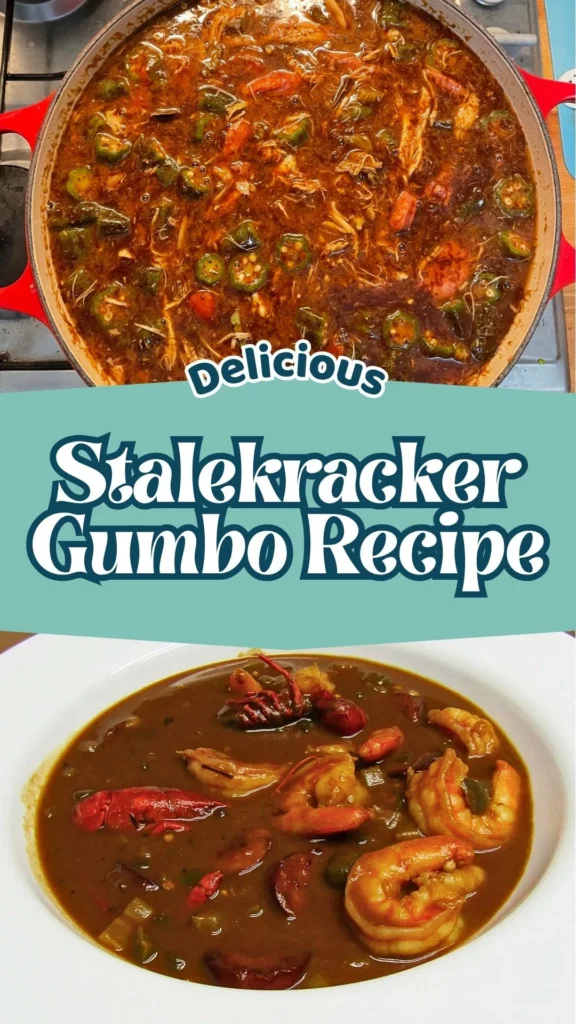
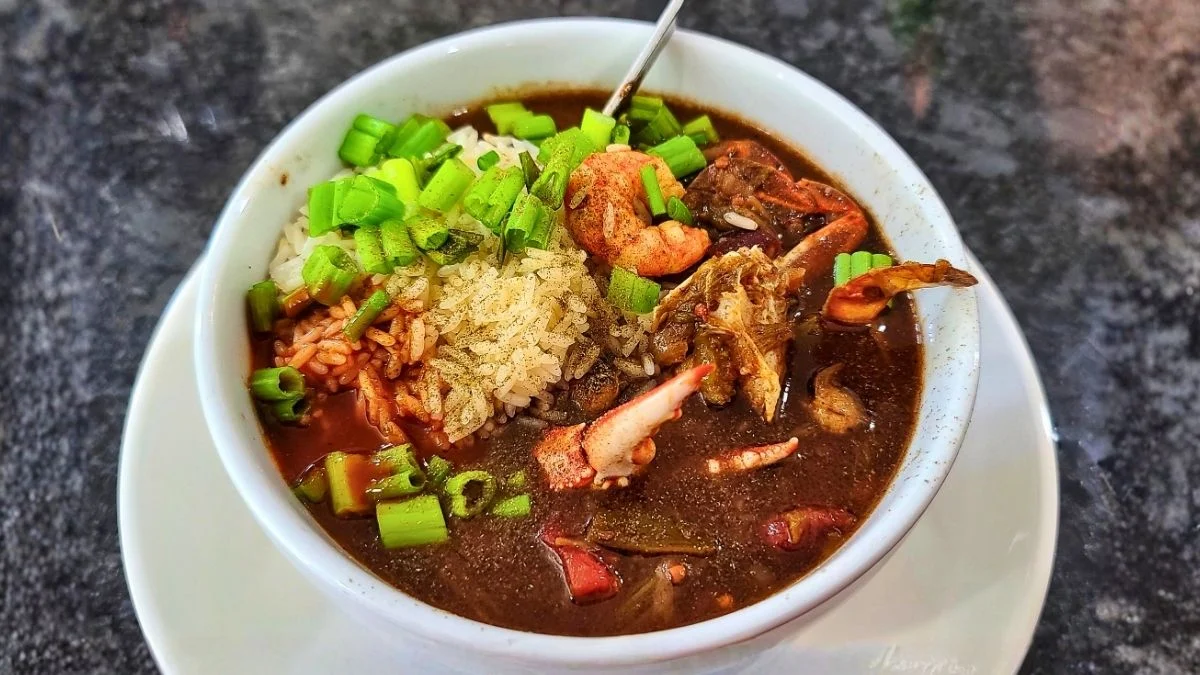
Smoky andouille sausage adds savory depth, while sweet lump crab meat and plump shrimp bring briny ocean freshness. The holy trinity of vegetables-onion, celery, and bell pepper-provides aromatic sweetness, balanced by the subtle anise notes of filé powder.
Layers of garlic, onion powder, and Cajun spices build complexity with a gentle kick of heat. It’s creamy without cream, hearty yet refined, and absolutely addictive over fluffy white rice.
Stalekracker Gumbo Ingredients You’ll Need
For the Roux & Base:
- 1 cup vegetable oil
- 1 cup all-purpose flour
- 5 stalks celery, finely diced
- 2 yellow onions, finely diced
- 1 large green bell pepper (or 2 small), finely diced
- ½ cup fresh parsley, finely chopped
- 8 quarts chicken broth
Proteins:
- 2 pounds pre-cooked smoked sausage (andouille preferred), sliced
- 16 ounces lump crab meat
- 5 pounds large shrimp, peeled and deveined
- 10 whole blue crabs
Seasonings:
- 3 tablespoons onion powder
- 3 tablespoons garlic powder
- 3 tablespoons Cajun seasoning
- 6 bay leaves
- 1 heaping teaspoon gumbo filé powder
- Salt, to taste
- Black pepper, to taste
- Cayenne pepper, to taste (optional)
For Serving:
- Cooked white rice
Kitchen Utensils Needed
- Large stockpot (at least 12-quart capacity)
- Separate frying pan for sausage
- Long wooden spoon or roux paddle
- Sharp chef’s knife
- Cutting board
- Measuring cups and spoons
- Strainer for draining sausage
- Ladle for serving
Preparation and Cooking Time
- Prep Time: 30 minutes
- Cook Time: 2 hours 30 minutes
- Total Time: 3 hours
- Servings: 20-25 servings (party-size batch)
- Difficulty: Intermediate
Step-by-Step Stalekracker Gumbo Recipe Instructions
Step 1: Make the Dark Roux
Heat 1 cup vegetable oil in your large stockpot over medium heat for 2-3 minutes. Gradually whisk in 1 cup all-purpose flour to create the roux.
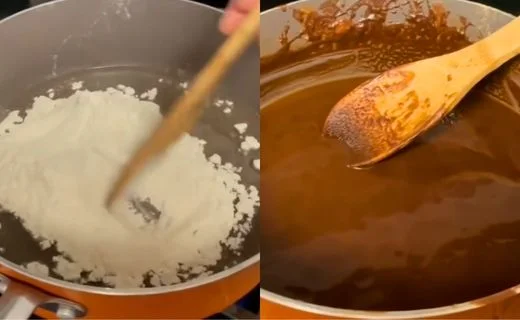
Stir continuously without stopping for 15-20 minutes until it reaches a deep, dark chocolate brown color. This constant stirring is crucial-never walk away during this process, as the roux can burn in seconds.
Step 2: Prep Your Vegetables
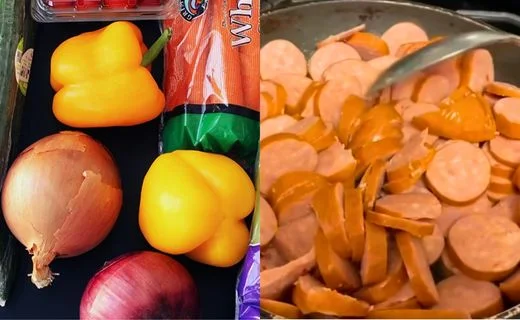
Once your roux reaches the perfect dark brown shade, remove it from heat immediately and set aside. Finely dice your 5 celery stalks, 2 yellow onions, and bell pepper. Chop the fresh parsley and keep all vegetables ready in separate bowls.
Step 3: Brown the Sausage
Slice your 2 pounds of smoked sausage into medium-thick rounds. In a separate pan, sear the sausage slices on both sides until nicely browned, rendering out excess grease. Drain the cooked sausage in a strainer and set aside.
Step 4: Build the Flavor Base
Return your roux to low-medium heat for 30 seconds to 1 minute to loosen it slightly. Add all your diced vegetables (the holy trinity plus parsley) directly into the roux.
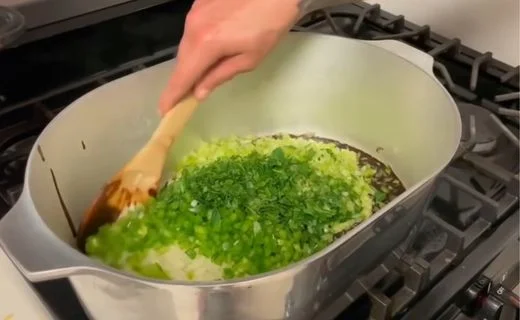
Stir thoroughly to coat everything evenly, cooking on medium heat for 2-3 minutes until fragrant.
Step 5: Add Broth and Seasonings
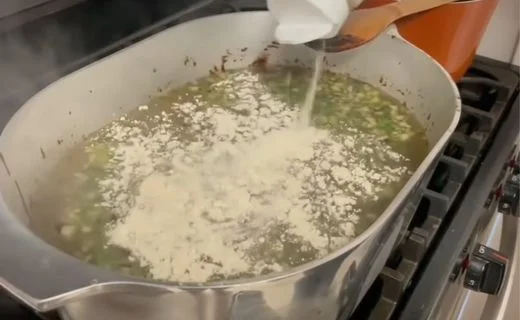
Pour in all 8 quarts of chicken broth, stirring well to incorporate the roux completely. Add onion powder, garlic powder, Cajun seasoning, bay leaves, salt, black pepper, and cayenne pepper to your desired heat level. Mix everything thoroughly.
Step 6: First Simmer
Cover the pot and let your gumbo base simmer on medium heat for 45 minutes. This allows all the flavors to meld beautifully. Taste and adjust seasoning as needed-this is your chance to perfect the flavor balance.
Step 7: Add the Seafood and Finish
Gently fold in the lump crab meat, breaking it up carefully. Add your browned sausage, all 5 pounds of shrimp, and the 10 whole blue crabs.
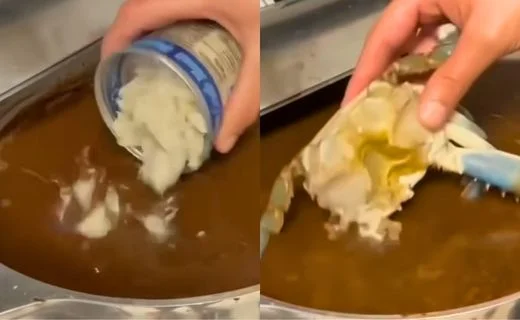
Stir in the heaping teaspoon of gumbo filé powder. Let everything cook together for another 15 minutes until the shrimp are pink and cooked through.
Step 8: Serve
Turn off the heat.

Ladle generous portions of your best Stalekracker gumbo recipe over fluffy white rice and serve immediately to your lucky guests.
Customization and Pairing Ideas for Serving
1. Protein Variations for Different Budgets
Not everyone needs a party-size seafood extravaganza. Scale this Stalekracker gumbo recipe easy version by using just chicken and sausage for a more economical weeknight option. Substitute the seafood with 3-4 pounds of bone-in chicken thighs for a classic chicken and andouille gumbo. You can also use a combination of crawfish tails and shrimp when crawfish are in season for an authentic Louisiana twist.
2. Spice Level Adjustments
Make this homemade Stalekracker gumbo work for your family’s heat tolerance. For mild versions, omit the cayenne entirely and use a mild Cajun seasoning blend. Medium heat lovers should stick to the recipe as written. For those who want authentic Louisiana fire, add 1-2 teaspoons of cayenne pepper and consider using hot smoked sausage or adding diced jalapeños with the vegetables.
3. Vegetarian Adaptation
Create a meatless Monday version by replacing seafood and sausage with okra (2 pounds, sliced), mushrooms (1 pound, quartered), and hearty vegetables like zucchini and eggplant. Use vegetable broth instead of chicken broth and add extra filé powder for that signature gumbo thickness and flavor.
4. Classic Louisiana Side Pairings
Serve your gumbo alongside traditional Cajun accompaniments: warm, buttery cornbread for dipping, crispy fried okra, creamy coleslaw to cut the richness, saltine crackers (a Louisiana tradition), potato salad (surprisingly authentic), or crusty French bread for soaking up every drop.
5. Rice Alternatives
While white rice is traditional, experiment with cauliflower rice for a low-carb option, dirty rice for double the Cajun flavor, or even creamy cheese grits for an indulgent twist that’ll surprise your guests.
6. Garnish Game-Changers
Elevate presentation with fresh toppings: sliced green onions for color and bite, extra chopped parsley for brightness, hot sauce on the side for customization, fresh lemon wedges to cut through richness, or a sprinkle of additional filé powder at the table.
7. Make-Ahead Feast Planning
Turn this into a stress-free entertaining option by making the roux and vegetable base a day ahead (refrigerate separately). The next day, continue from adding the broth forward. The flavors actually deepen overnight, making your copycat Stalekracker gumbo recipe even better. Just add fresh seafood the day of serving for optimal texture.
Expert Tips for Perfect Gumbo
1. Master the Roux-It’s Everything
The roux is the soul of any Louisiana Stalekracker gumbo recipe, and patience is your best friend here. Use a heavy-bottomed pot to prevent hot spots and burning. Keep your heat at medium-too high and you’ll burn it, too low and you’ll be stirring for an hour. The color progression goes from blonde to peanut butter to milk chocolate to dark chocolate. Stop at dark chocolate; if it turns black or smells burned, you must start over. Some cooks swear by oven-roasting the roux at 350°F for 90 minutes with occasional stirring as a hands-off method, though traditionalists prefer the stovetop for better control.
2. Room Temperature Ingredients Prevent Seizing
One crucial tip often overlooked: if your roux is hot and you add cold vegetables or broth straight from the refrigerator, it can seize up or splatter dangerously. Let your diced vegetables sit at room temperature for 20-30 minutes before adding them to the roux. When adding broth, warm it slightly on the stove first, or add it very gradually while whisking constantly to prevent lumps in your best Stalekracker gumbo recipe.
3. The Holy Trinity Ratio Matters
Traditional Cajun cooking uses a 2:1:1 ratio for the holy trinity: two parts onion to one part celery to one part bell pepper. This recipe follows that guideline perfectly. Dice everything uniformly and finely (about ¼-inch pieces) so they melt into the gumbo rather than staying chunky. Fresh vegetables make a noticeable difference over frozen-their moisture content and flavor are superior.
4. Sausage Selection and Preparation
Using authentic andouille sausage rather than generic smoked sausage elevates this homemade Stalekracker gumbo significantly. Andouille has a coarser grind and more pronounced smoke flavor. Browning the sausage separately and draining the fat prevents your gumbo from becoming greasy-smoked sausage releases considerable oil that can overwhelm the dish. For extra depth, add a ham bone or smoked ham hock during the 45-minute simmer and remove before adding seafood.
5. Seafood Timing is Critical
Overcooked seafood turns rubbery and loses its sweet, delicate flavor. Add your sturdiest seafood first (whole crabs, then crab meat, then sausage), followed by shrimp last since they cook in just 3-5 minutes. Large shrimp are better than small for this Stalekracker gumbo recipe easy approach because they’re more forgiving and won’t overcook as quickly. If using oysters (another traditional option), add them in the final 5 minutes.
6. Filé Powder Protocol
Gumbo filé powder (ground sassafras leaves) serves as both thickener and flavor enhancer with its distinctive earthy, slightly licorice-like taste. Never add filé while the gumbo is boiling-it becomes stringy and unpleasant. Always add it at the very end after removing from heat, or better yet, let diners sprinkle it on their own bowls. Traditionally, you use either okra OR filé as a thickener, not both, though modern recipes sometimes bend this rule.
7. The Overnight Magic
Like many stews and braises, gumbo tastes even better the next day as flavors meld and deepen. If making ahead, prepare everything through the 45-minute simmer, then cool and refrigerate. The next day, reheat gently and add your seafood fresh for the final 15 minutes. This method actually gives you better control over seafood doneness and makes this recipe more manageable for entertaining. Plus, any excess fat will solidify on top overnight and can be easily removed before reheating.
Storage and Reheating Guidance
Store leftover gumbo in airtight containers in the refrigerator for up to 3 days. Reheat gently on the stovetop over medium-low heat, stirring occasionally, until warmed through. Avoid microwaving if possible, as it can overcook the seafood. Gumbo freezes well for up to 3 months, though the seafood texture may change slightly upon thawing.
Stalekracker Gumbo Recipe
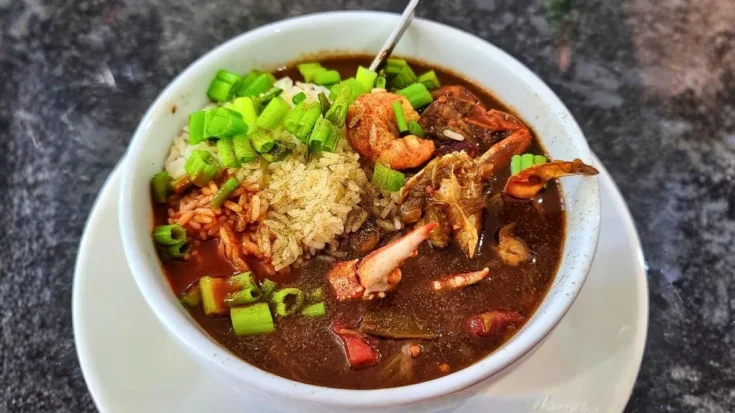
There’s something deeply soulful about a pot of authentic Louisiana gumbo simmering on the stove, and this copycat Stalekracker gumbo recipe captures that magic perfectly. If you’ve been dreaming of recreating that rich, complex flavor that’s made Stalekracker’s version famous across social media, you’re in the right place. This homemade Stalekracker gumbo is a labor of love that feeds a crowd and delivers layers of smoky, seafood-packed goodness in every spoonful.
Ingredients
- 1 cup vegetable oil
- 1 cup all-purpose flour
- 5 stalks celery, finely diced
- 2 yellow onions, finely diced
- 1 large green bell pepper, finely diced
- ½ cup fresh parsley, finely chopped
- 8 quarts chicken broth
- 2 pounds pre-cooked smoked sausage, sliced
- 16 ounces lump crab meat
- 5 pounds large shrimp, peeled and deveined
- 10 whole blue crabs
- 3 tablespoons onion powder
- 3 tablespoons garlic powder
- 3 tablespoons Cajun seasoning
- 6 bay leaves
- 1 heaping teaspoon gumbo filé powder
- Salt, to taste
- Black pepper, to taste
- Cayenne pepper, to taste
Instructions
Step 1: Make the Dark Roux
Heat 1 cup vegetable oil in your large stockpot over medium heat for 2-3 minutes. Gradually whisk in 1 cup all-purpose flour to create the roux. Stir continuously without stopping for 15-20 minutes until it reaches a deep, dark chocolate brown color. This constant stirring is crucial-never walk away during this process, as the roux can burn in seconds.
Step 2: Prep Your Vegetables
Once your roux reaches the perfect dark brown shade, remove it from heat immediately and set aside. Finely dice your 5 celery stalks, 2 yellow onions, and bell pepper. Chop the fresh parsley and keep all vegetables ready in separate bowls.
Step 3: Brown the Sausage
Slice your 2 pounds of smoked sausage into medium-thick rounds. In a separate pan, sear the sausage slices on both sides until nicely browned, rendering out excess grease. Drain the cooked sausage in a strainer and set aside.
Step 4: Build the Flavor Base
Return your roux to low-medium heat for 30 seconds to 1 minute to loosen it slightly. Add all your diced vegetables (the holy trinity plus parsley) directly into the roux. Stir thoroughly to coat everything evenly, cooking on medium heat for 2-3 minutes until fragrant.
Step 5: Add Broth and Seasonings
Pour in all 8 quarts of chicken broth, stirring well to incorporate the roux completely. Add onion powder, garlic powder, Cajun seasoning, bay leaves, salt, black pepper, and cayenne pepper to your desired heat level. Mix everything thoroughly.
Step 6: First Simmer
Cover the pot and let your gumbo base simmer on medium heat for 45 minutes. This allows all the flavors to meld beautifully. Taste and adjust seasoning as needed-this is your chance to perfect the flavor balance.
Step 7: Add the Seafood and Finish
Gently fold in the lump crab meat, breaking it up carefully. Add your browned sausage, all 5 pounds of shrimp, and the 10 whole blue crabs. Stir in the heaping teaspoon of gumbo filé powder. Let everything cook together for another 15 minutes until the shrimp are pink and cooked through.
Step 8: Serve
Turn off the heat. Ladle generous portions of your best Stalekracker gumbo recipe over fluffy white rice and serve immediately to your lucky guests.
Notes
Store leftover gumbo in airtight containers in the refrigerator for up to 3 days. Reheat gently on the stovetop over medium-low heat, stirring occasionally, until warmed through. Avoid microwaving if possible, as it can overcook the seafood. Gumbo freezes well for up to 3 months, though the seafood texture may change slightly upon thawing.
Nutrition Information:
Yield:
8Serving Size:
1Amount Per Serving: Calories: 210
Common Queries and FAQs
Common Stalekracker Gumbo Recipe questions answered to help you understand it better
Can I make this Stalekracker gumbo recipe without seafood?
Absolutely! Replace the seafood with 4-5 pounds of chicken thighs and drumsticks. Brown the chicken pieces with the sausage, then add them during the 45-minute simmer so they cook through completely. You can also make a sausage-only gumbo by doubling the smoked sausage quantity and adding some diced ham.
What’s the difference between Creole and Cajun gumbo?
This Louisiana Stalekracker gumbo recipe leans Cajun-style with its dark roux and lack of tomatoes. Creole gumbo, from New Orleans, often includes tomatoes and tends to have a lighter roux. Cajun gumbo, from rural Louisiana, focuses on darker roux, no tomatoes, and heartier proteins. Both are delicious-just different regional interpretations of the same beloved dish.
Why did my roux burn, and can I save it?
A burned roux cannot be saved-it will make your entire pot taste acrid and bitter. Common mistakes include heat too high, stopping stirring even briefly, or not watching it closely during the final darkening stage. If you see black specks or smell anything burnt, discard it and start over. Invest those 20 minutes carefully-it’s the foundation of your gumbo.
Can I use a store-bought roux to save time?
Yes, jarred roux is available and can make this Stalekracker gumbo recipe easy for beginners or time-crunched cooks. Look for brands like Savoie’s or Richard’s in the specialty food section. Use about 1½ cups of prepared roux to replace the homemade version in this recipe. While convenient, homemade roux has fresher flavor and allows you to control the darkness level.
What if I can’t find gumbo filé powder?
Filé powder is available in most grocery stores’ spice sections or online. If you can’t find it, you can substitute with okra as a thickener instead-add 2 pounds of sliced fresh or frozen okra during the 45-minute simmer. The flavor will differ slightly (okra is milder), but you’ll still get that signature gumbo thickness. Some cooks use both filé and okra for ultimate body.
How do I know when my roux is the right color?
Your roux should be the color of dark chocolate or a copper penny-a deep reddish-brown. It progresses from blonde (5 minutes) to peanut butter (10 minutes) to milk chocolate (15 minutes) to dark chocolate (20 minutes). The darker the roux, the richer and more complex the flavor, but also the less thickening power it has. Watch for the transition carefully; it darkens quickly in the final minutes.
Can I make this in a slow cooker or Instant Pot?
The roux must be made on the stovetop-there’s no shortcut for this step. However, after making your roux and sautéing vegetables, you can transfer everything to a slow cooker. Add broth and seasonings, cook on low for 6-8 hours, then add seafood in the final 30 minutes on high. For Instant Pot, make the roux separately, then pressure cook the base for 20 minutes, natural release, and add seafood using the sauté function.
Is this recipe really party-sized, or can I halve it?
This copycat Stalekracker gumbo recipe absolutely makes a massive pot-20-25 servings! You can easily halve everything for a more manageable 10-12 servings. Use a 6-8 quart pot instead, ½ cup each oil and flour for roux, 4 quarts broth, and halve all other ingredients. The cooking times remain the same. Honestly, though, gumbo freezes beautifully, so making a large batch means future easy meals.
What type of crab should I use?
Blue crabs are traditional for Louisiana gumbo and add incredible flavor from the shells and crab fat. If live blue crabs aren’t available, you can use frozen whole blue crabs or substitute with Dungeness crab, snow crab legs (cut into sections), or simply increase the lump crab meat to 24-32 ounces and skip whole crabs. The flavor will still be outstanding in your homemade Stalekracker gumbo.
How can I reduce the sodium in this recipe?
Use low-sodium or no-salt-added chicken broth and unsalted Cajun seasoning blends. Season with salt to taste at the end rather than during cooking. Choose lower-sodium smoked sausage or make your own sausage from scratch. Be aware that much of gumbo’s signature flavor comes from well-seasoned components, so reducing sodium may require adjusting other spices to compensate for lost flavor depth.
Do I really need to use that much oil for the roux?
Traditional roux uses equal parts oil and flour by volume, which creates the right consistency and flavor. However, you can reduce oil slightly-try ¾ cup oil to 1 cup flour-though the roux will be slightly thicker and may require extra broth later. Some health-conscious cooks use a dry-roux method (toasting flour alone in the oven), but it produces different flavor and requires skill to avoid burning.
What’s the shelf life of homemade gumbo?
Refrigerated gumbo keeps safely for 3-4 days in airtight containers. The flavors actually improve overnight as they meld. Frozen gumbo lasts 2-3 months when properly stored in freezer-safe containers with minimal headspace. Thaw overnight in the refrigerator and reheat gently. Note that shrimp and crab may become slightly tougher after freezing, but the overall dish remains delicious.
This copycat Stalekracker gumbo recipe brings authentic Louisiana soul food right to your kitchen with its rich, dark roux and generous seafood bounty. While it requires time and attention, particularly during that crucial roux-making stage, the resulting pot of homemade Stalekracker gumbo rewards you with layers of complex flavor that improve with each bite.
Whether you’re feeding a crowd at your next gathering or meal-prepping comfort food for the week ahead, this best Stalekracker gumbo recipe delivers that signature taste that’s made it a viral sensation. Grab your wooden spoon, pour yourself something cold, and get ready to create some Cajun magic!
You can also follow us on Pinterest, and YouTube for more delicious updates and kitchen inspiration. Your feedback and support mean the world to us!